There was a time when fixing something meant a short walk down the block. You’d push open a door with a little bell on it, and a guy named Frank or Sal would look up from his bench, wipe his hands on a rag, and say, “Whatcha got for me?” Maybe it was a toaster that wouldn’t pop, a lamp with a frayed cord, or a radio that had gone silent. He’d squint at it, turn it over in his hands, and tell you, “Give me a couple days.” And you knew he meant it.
Those shops are getting hard to find now. Not just the ones that fixed small appliances, but the places that resoled shoes, sharpened knives, or stitched up a torn jacket. They’re fading from our streets, replaced by storefronts that sell things designed to be thrown away. It’s a quiet shift—nothing that makes the evening news—but it changes how we live in ways we don’t always notice.

The Smell of Solder and Old Wood
I remember a place called Rudy’s Radio & TV. It sat on a corner near my grandmother’s house, a narrow shop with a wooden counter worn smooth by decades of elbows. Rudy was a slow-moving man with thick glasses and a voice that never hurried. He’d fix anything with a plug or a circuit board. When you walked in, the air smelled of hot solder and dust—a mix that somehow felt like things were going to be okay. Rudy didn’t just repair stuff. He’d show you the burned-out capacitor or the cracked solder joint, and you’d walk out understanding your radio a little better than when you came in.
That shop closed in the early 2000s. Rudy retired, and nobody took over the lease. Now it’s a cell phone store, one of those places with blinding lights and plastic displays. They don’t fix anything. They sell chargers and screen protectors, and if your phone breaks, they hand you a pamphlet for an upgrade.
This story repeats itself in towns and cities everywhere. The neighborhood repair shop—once as common as the corner bar or the local diner—has become a rare sight. The reasons are a tangle of economics, technology, and a shift in how we think about the things we own.
Why the Shops Are Closing
It’s easy to point at big-box stores and online shopping, and they’re certainly part of it. When you can buy a new toaster for fifteen bucks, paying someone forty to fix the old one feels almost foolish. Manufacturers have made repair harder, too. They glue parts together, use weird proprietary screws, and refuse to share schematics. A fix that once took a screwdriver and a soldering iron now needs special tools and software that independent shops can’t get.
But there’s a deeper change. We’ve lost the habit of repair. Over the last couple of generations, we’ve been taught that things are disposable. A blender stops working, and we don’t think, “Who can fix this?” We think, “Time to get a new one.” That mindset has drained the customer base from repair shops. The people who still want to fix things tend to be older, and as they pass on, the demand shrinks further.
Then there’s real estate. Neighborhood repair shops used to occupy small, affordable storefronts. In many cities, those same spaces now rent for prices only chain stores or fancy cafes can stomach. A shoe repair shop charging twenty bucks for a resole can’t compete with a coffee shop selling six-dollar lattes. The numbers just don’t work.

What We Lose When the Shop Closes
It’s not just about convenience. When a repair shop disappears, a whole body of knowledge goes with it. The person behind the counter understood materials and mechanics in a way you can’t pick up from a YouTube tutorial. They knew which toaster brands were built to last, which vacuum cleaners had easily replaceable belts, which shoes were worth resoling. That knowledge was shared freely, handed over in casual conversation across the counter.
There’s a social loss, too. Repair shops were informal gathering spots. You’d run into a neighbor, talk about the weather, maybe get a recommendation for a good plumber. The shopkeeper knew your name, remembered your last repair, asked about your kids. Those small interactions wove a fabric of connection that held neighborhoods together. We don’t have many places like that anymore.
And then there’s the environmental cost. Every appliance tossed because of a two-dollar switch adds to the mountain of electronic waste we’re burying and burning. Repair shops were a frontline defense against that waste. They kept things out of landfills by giving them a second life. Without them, we’re speeding up a cycle of consumption and disposal that’s hard to sustain.
The Holdouts and the New Breed
Not all repair shops are gone. Some have adapted. A few old-timers still run their businesses out of home garages or small industrial spaces, serving a loyal clientele who find them by word of mouth. They don’t advertise. They don’t need to. Their customers are people who value craftsmanship and believe a well-made thing deserves care.
There’s also a new kind of repair movement taking shape, though it looks different. Community repair cafes have popped up in some cities, where volunteers gather to fix things for free or for a small donation. These events are social and educational—people bring broken lamps, torn clothes, glitchy electronics, and learn to fix them alongside someone who knows how. It’s not quite the same as the neighborhood shop, but it carries forward the spirit of repair and the stubborn belief that broken doesn’t mean garbage.
Some manufacturers are starting to feel the heat from consumers and regulators. Right-to-repair laws have passed in a few states, forcing companies to provide parts, tools, and documentation to independent repair providers. It’s a step forward, but it doesn’t rebuild the neighborhood shop overnight. Those laws help the remaining repair businesses hang on, but they can’t recreate the ecosystem of small storefronts that once dotted every main street.
What You Can Do
If you miss the repair shop, you can help keep the idea alive. Start by looking around your own neighborhood. There might be a shoe repair place tucked between a laundromat and a convenience store, or a small-engine repair shop operating out of someone’s backyard. Give them your business. Tell your friends. When something breaks, ask yourself if it can be fixed before you replace it.
Learn to do simple repairs yourself. A surprising number of fixes need nothing more than a screwdriver and a willingness to look inside. There are online communities dedicated to repair, full of people who will walk you through the process. It’s not the same as chatting with Rudy over the counter, but it’s a way to reclaim some of that knowledge and self-reliance.
Support right-to-repair legislation when it comes up in your state. These laws matter because they push back against the planned obsolescence that makes repair impossible. They’re not just about phones and tractors—they’re about preserving the option to fix the things we own.
A Personal Reckoning
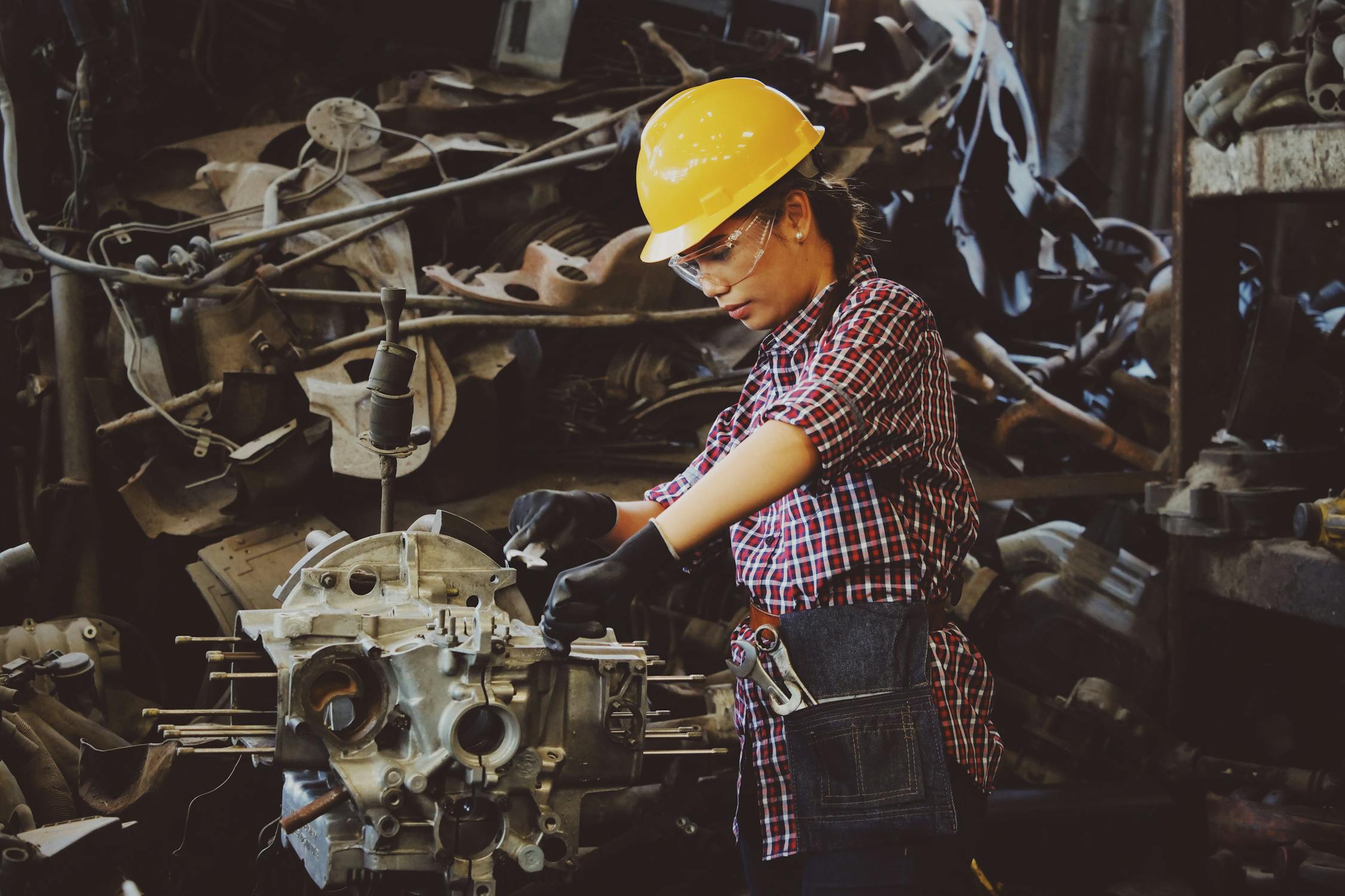
I’ve been thinking about this because my own coffee grinder broke last month. It’s a decent one, a burr grinder I’ve had for years. The motor still runs, but the switch is shot. I took it apart, found the switch, and started looking for a replacement. The manufacturer doesn’t sell parts. I spent an evening digging through electronics forums, found a compatible switch from a different brand, and ordered it for six dollars. It took me an hour to solder it in. The grinder works again.
But most people wouldn’t do that. They’d toss it and buy a new one. And I get it—not everyone has the time or the tools or the stubbornness. That’s exactly why we need repair shops. They’re the ones who do the digging, who have the parts bins and the soldering stations and the patience. They’re the ones who make fixing things accessible to everyone else.
I don’t know if the neighborhood repair shop will ever come back in the form it once had. Probably not. But I hope we don’t lose the idea behind it—the belief that things are worth fixing, that skills are worth preserving, and that a small shop on the corner can be more valuable than a big-box return policy.
Frequently Asked Questions
Why are small repair shops disappearing?
Several forces are at work. The low cost of replacement goods makes repair seem uneconomical. Manufacturers design products that are difficult to open and repair, often gluing parts together or using proprietary fasteners. Rising commercial rents push out low-margin businesses. And a cultural shift toward disposability has reduced the number of people who even consider repair as an option.
Are there still places where I can get things fixed?
Yes, though they may be harder to find. Look for independent repair shops in older commercial districts, home-based businesses listed on community boards, and repair cafes that operate as pop-up events. Some cities have directories of repair services. It’s worth asking at local hardware stores or dry cleaners—they often know who fixes what.
What can I do to support the repair economy?
Choose repairable products when you buy. Look for brands that sell replacement parts and provide repair manuals. When something breaks, try to fix it yourself or find a local repair person before replacing it. Support right-to-repair legislation in your state. And spread the word—tell friends and neighbors about repair options they might not know exist.
Is it really cheaper to repair than to replace?
It depends on the item and the repair needed. For high-quality goods—like a good pair of boots, a vintage stereo, or a solid piece of furniture—repair is often far cheaper than buying something of equivalent quality. For cheap, mass-produced items, the math can be harder to justify. But cost isn’t the only factor. Repair keeps usable goods out of landfills, preserves skills in your community, and often gives you back an item with more character than a new one.
