Billyreisinger

Personal essays, notes, and ideas worth sharing.

Archives (page 8 of 12)

GLP-1 Drugs Are Everywhere Now — So I Asked My Doctor the Questions Nobody Wants to Hear the Answers To

The Conversation I Wasn’t Expecting

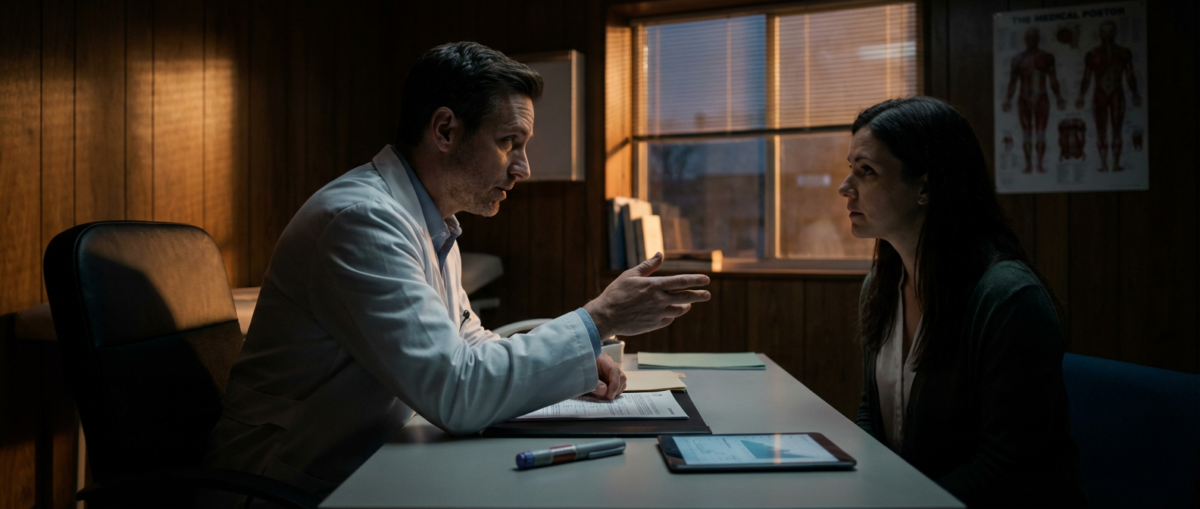
I walked into my annual physical in January knowing exactly what my doctor was going to say about my weight. I’d prepared myself. I’d seen the headlines. Ozempic, Wegovy, Zepbound — these drugs have become as common a topic at dinner parties as inflation and true crime podcasts. Everyone’s either taking them, considering them, or loudly declaring they never will. My doctor, I assumed, would follow the script: lose weight through diet and exercise, all the standard recommendations.

GLP-1 Drugs Are Everywhere Now — So I Asked My Doctor the Questions Nobody Wants to Hear the Answers To

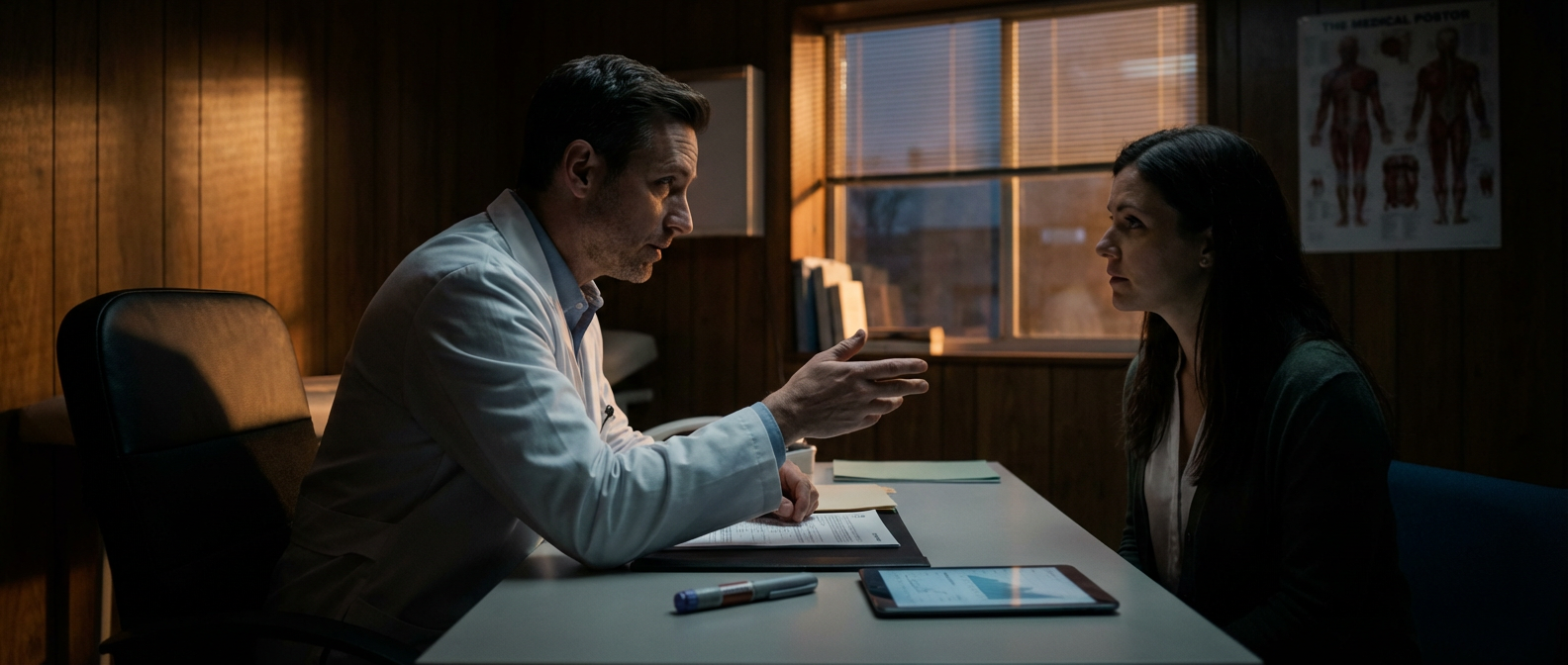
Instead, she asked me a question that caught me completely off guard: “Have you thought about medication?” Not casually. Not as an afterthought. She asked it the way you’d ask someone about insulin if they had type 2 diabetes.

That question lands differently when it comes from someone you’ve known for five years. Not from a TikTok influencer or a celebrity’s publicist. Not from an article designed to get clicks. From a physician who actually knows your medical history.

Illustration for GLP-1 Drugs Are Everywhere Now — So I Asked My Doctor the Questions Nobody Wants to Hear the Answers To

What the Numbers Actually Show (And What They Don’t)

Here’s what I learned in that appointment, and what I’ve learned since: GLP-1 receptor agonist prescriptions have skyrocketed by over 400 percent between 2022 and 2025. That’s not hyperbole. That’s not a trend piece exaggeration. Those are real prescriptions in real hands. One in eight American adults reports having taken a GLP-1 medication at some point, according to the KFF GLP-1 medication tracking poll. The global market for these drugs exceeded 25 billion dollars in 2025. We are not talking about a niche treatment anymore.

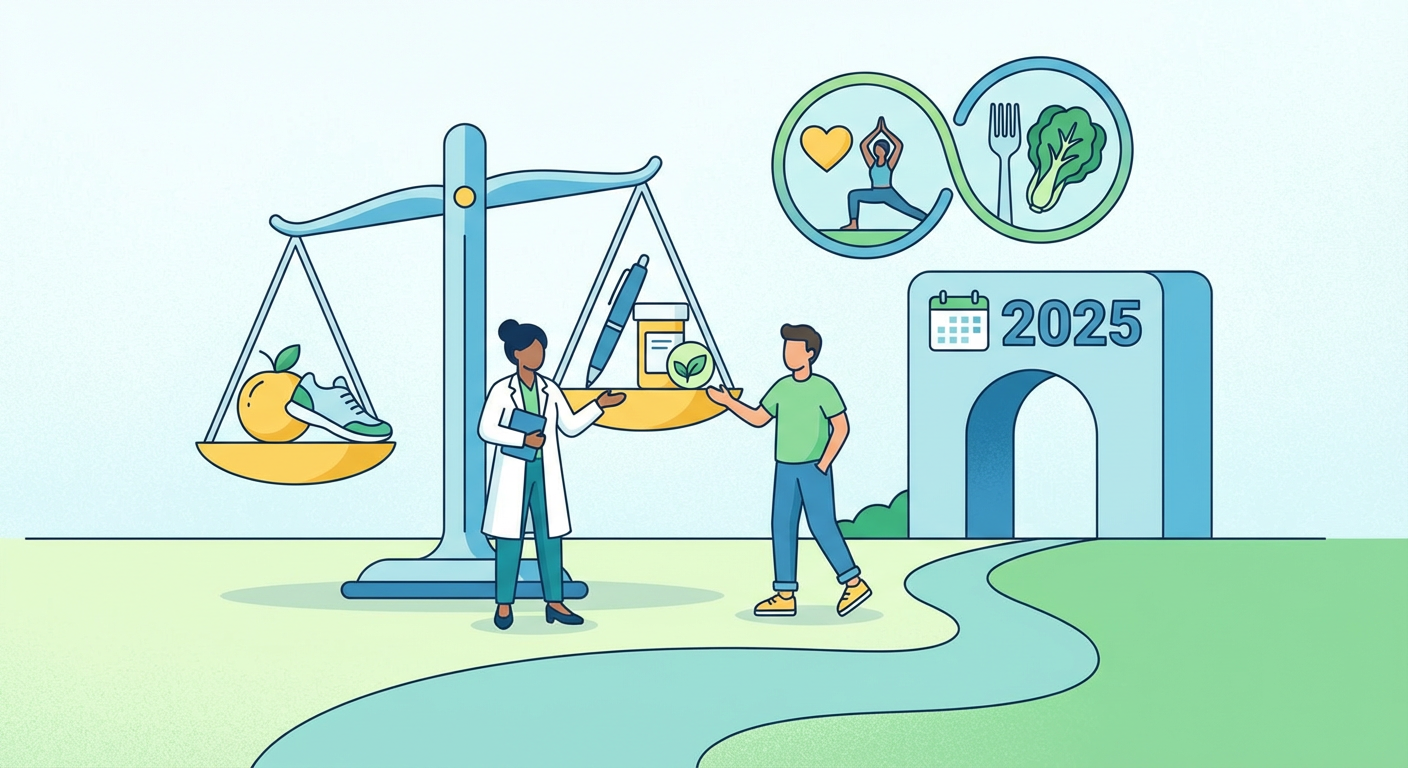
The clinical data is legitimately impressive. A landmark trial published in the New England Journal of Medicine obesity research showed tirzepatide producing an average weight loss of 22.5 percent of body weight over 72 weeks in adults with obesity. That’s not “lose a few pounds by summer” territory. That’s substantial, measurable, life-altering weight loss for many people. The American Medical Association updated its obesity treatment guidelines in 2025 to officially list GLP-1 medications as a first-line treatment option alongside lifestyle modifications. Not as a last resort. Not as something you consider after everything else fails. As a legitimate first option.

But here’s where I’m going to be unpopular: these numbers don’t mean what everyone wants them to mean. The fact that something is effective doesn’t make it simple. The fact that something is mainstream doesn’t mean it’s right for you. And the fact that a medication is now considered first-line treatment doesn’t mean you should take it. I needed to sit with that distinction before I could have any actual conversation with my doctor about whether this was for me.

The Part Nobody Talks About as Honestly

When I asked my doctor directly — “So should I start this?” — she didn’t answer the question I asked. She answered the question I should have asked: “What are you trying to accomplish, and what are you willing to accept to get there?”

She pulled up my blood work. My metabolic markers are fine. My blood pressure is fine. My A1C is fine. I’m overweight, sure. I carry about 40 extra pounds that I’d genuinely like to be rid of. But I’m not diabetic. I’m not pre-diabetic. I’m not metabolically broken. I’m just someone who eats too much and moves too little, and for whom that combination has resulted in a body that doesn’t look the way I want it to look. That’s real. That’s valid. But according to my doctor, that’s not the same as needing pharmaceutical intervention.

She also asked me about adherence and side effects. These drugs work by making you feel full faster and less interested in food. That sounds ideal until you’re dry-heaving at your desk because the medication is still working at 2 p.m. and you haven’t eaten anything because nothing sounds appealing. It sounds ideal until you’re calculating whether you have access to a bathroom at a business meeting. It sounds ideal until you realize you have to take these medications indefinitely, because most people regain the weight when they stop.

The affordability barrier is real. Forty-three percent of people who’ve taken GLP-1 medications cited cost as the reason they couldn’t continue. We’re talking about drugs that can run $1,300 per month without insurance. The pharmaceutical companies are thriving. The people who can afford these drugs are thriving. Everyone else is left making choices based on what their insurance will cover and what they can actually pay out of pocket.

What I Actually Decided, and Why I’m Still Uncertain

I’m not taking GLP-1 medication. Not right now. Not yet, anyway. My doctor said I didn’t need it, and I believed her. She also said that if I decide in the future that my relationship with food is such that medication would genuinely help me build better habits, or if my metabolic markers shift, then we’d revisit the conversation. That door is open. I’m not pretending it doesn’t exist.

But I’m also not going back to the “just eat less and move more” script that hasn’t actually worked for me for the past decade. I’m doing something different now. I’m working with a nutritionist. I’m addressing the emotional eating component that my doctor gently pointed out I’ve been ignoring. I’m being honest about what I’m actually doing with food versus what I think I’m doing. It’s slower. It’s harder. It requires confronting uncomfortable things about my own choices.

Here’s my unpopular opinion, and I mean it fully: GLP-1 drugs are probably genuinely helpful for some people. The data supports that. But they’ve also become a shortcut that lets people with money and access avoid doing the harder work of understanding their relationship with food and their bodies. And for those of us without that level of access or affordability, they’ve become another marker of inequality in healthcare. These drugs didn’t invent those dynamics. They just made them a lot more visible.

The Thing I Actually Want You to Consider

If your doctor brings this up, don’t reflexively say yes or no. Ask the harder questions. Ask whether you actually need medication or whether you need something else entirely. Ask what success looks like beyond the number on the scale. Ask about the side effects that the highlight reel doesn’t include. Ask about adherence and cost and what happens when you stop. And be honest about whether you’re considering this because it’s medically indicated or because you’re tired of being uncomfortable in your body and want the discomfort to stop faster.

Both of those are legitimate reasons, by the way. I’m not judging either path. I’m just saying the path matters, and it deserves more thought than a trending medication deserves.

I’m genuinely curious what your conversations with your own doctors have looked like. Have you asked about these medications? Did you start them? Are you considering it? I’d rather hear the messy, uncertain versions of those stories than the polished ones where everyone has clarity and perfect outcomes.

Six Months With the Oura Ring 4: What My Sleep Data Revealed (And What I Chose to Ignore)

The Honeymoon Phase and the $349 Question

I bought the Oura Ring 4 in October 2024 with the kind of optimism that only someone who hasn’t yet confronted their own data can muster. The device had just launched with some genuinely interesting new features: cardiovascular age estimation and an updated resilience score that tracks how well your body bounces back from physical and emotional stress. The promise was elegant and simple. Wear this small piece of titanium on your finger. Let it quietly collect data while you sleep. Wake up to numbers that finally explain why you feel the way you feel. I liked that promise enough to spend $349 plus commit to a $5.99 monthly subscription for full access to the insights.

Six Months With the Oura Ring 4: What My Sleep Data Revealed (And What I Chose to Ignore)

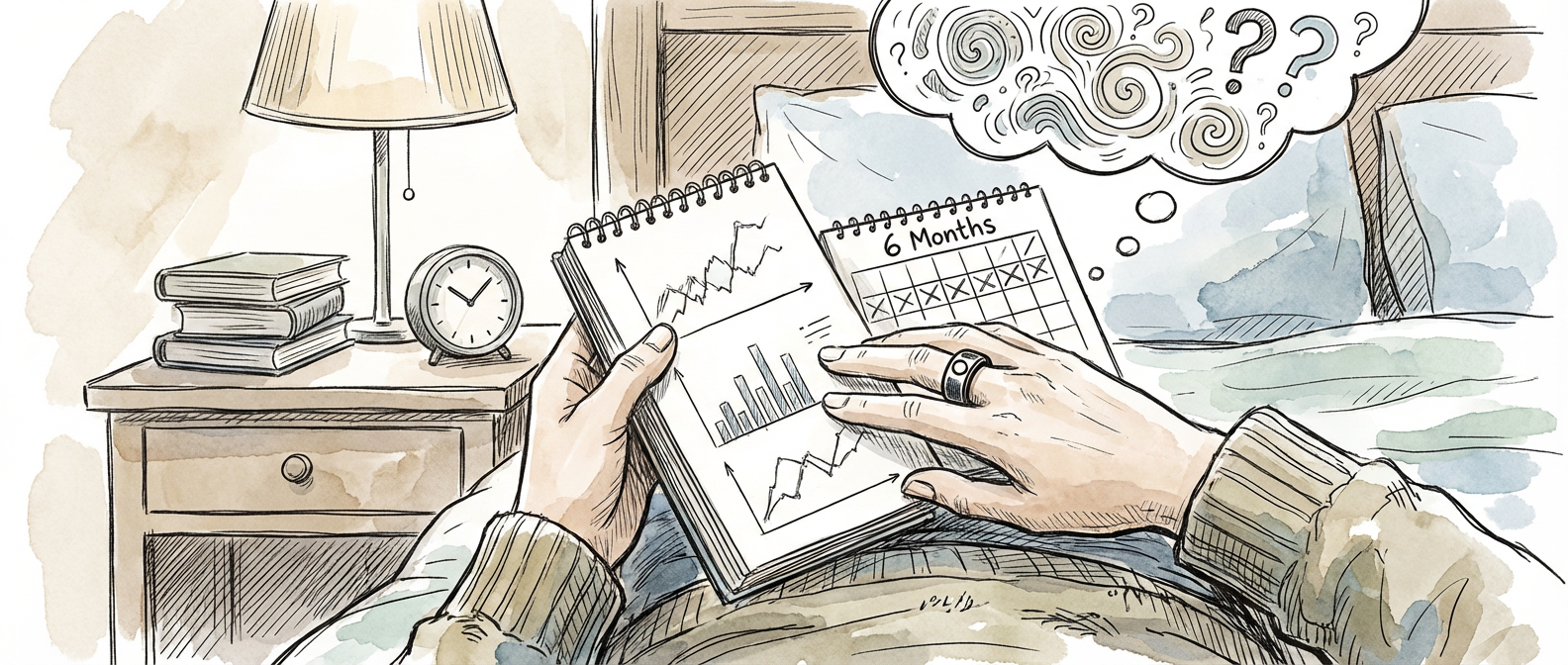
The first week was thrilling in that specific way that new technology can be. The app lit up with beautiful graphs and color-coded readiness scores. I learned the difference between REM sleep and deep sleep and light sleep. I discovered my actual sleep stages instead of just assuming I was getting eight hours because I spent eight hours in bed. The ring felt less like a commitment and more like having a secret about my own biology that nobody else had access to. Then I kept wearing it. Then the data started telling me things I didn’t want to hear.

Illustration for Six Months With the Oura Ring 4: What My Sleep Data Revealed (And What I Chose to Ignore)

When the Data Became Difficult to Ignore

Here’s what six months of wearing the ring actually looks like: some nights are genuinely good. My readiness score hovers in the green. My sleep is unbroken. My heart rate variability suggests my nervous system is doing what it’s supposed to do. Those nights feel validating in a way that’s almost embarrassing to admit. I think about them the next day. I reference them in conversations. I feel like I’m doing something right, like the person who actually has their life together.

Then there are the other nights. The majority of nights, to be honest. Nights where my readiness score is orange or red. Nights where my sleep is fragmented across six different wake periods. Nights where my cardiovascular age, according to the ring’s estimation, has somehow aged me an entire year. The data doesn’t lie, and it doesn’t soften its findings for your feelings. I’ve now spent six months confronting something that the CDC reports affects one in three American adults regularly: getting less than the recommended seven hours of sleep. I’m part of that statistic. The ring made that fact impossible to ignore.

What struck me most wasn’t any single bad night. It was the pattern. The way my sleep on Sundays tends toward fragmentation. The way my resilience score tanks on days when I’ve had difficult conversations or high-stress work situations. The way I can predict with almost perfect accuracy which nights will feel like I’m running on fumes because I can see the pattern in weeks of data already collected. The ring doesn’t just measure sleep. It measures the consequences of your choices in real time.

The Numbers That Changed Things (Slightly)

Oura reported that users who actually engaged with their Readiness Score daily saw a measurable difference within 90 days. Those active users averaged 23 more minutes of sleep per night compared to people who just passively wore the device without looking at their data. That figure haunted me. Twenty-three minutes is almost a full sleep cycle. It’s the difference between waking up sharp and waking up feeling like you’re moving through water. And it’s not because the device itself does anything different. It’s because paying attention changes behavior.

I’ve noticed this happening to myself. On nights when I check my readiness score and see red, I’m more likely to turn down an evening commitment. I’m more likely to put my phone down earlier. I’m more conscious about the choices that got me here. But here’s what’s uncomfortable: I haven’t actually changed my sleep that much. My average is still hovering below seven hours. What’s changed is how aware I am of the gap between what I’m doing and what I should be doing. That awareness is not the same as solving the problem. Sometimes it just makes the problem feel more real and more impossible.

The Accuracy Question I Needed to Ask

A 2025 study published in JAMA Internal Medicine validated consumer sleep trackers against the gold standard polysomnography test. The Oura Ring 4 achieved 79% accuracy in identifying sleep stages, the highest of any consumer device tested. That number is impressive until you do the math. It’s also wrong about what you’re experiencing one night out of every five. I think about this a lot. I wonder which nights the ring got wrong. I wonder if I should trust the data or trust my body.

The accuracy question led me down a longer rabbit hole about the other numbers on the screen. Cardiovascular age. Resting heart rate trends. HRV patterns. All of it draws from actual physiological measurements, but all of it is also being interpreted through algorithms and filtered through design choices that Oura made. The Oura Ring 4 Official Features Overview explains the technical details, but wearing it for six months has taught me that understanding how something works is different from understanding whether you should trust it with your emotional wellbeing.

What I’m Still Figuring Out

I’m not saying the ring is worthless. The data has been useful. It’s clarified some patterns I suspected and revealed others I didn’t see coming. It’s made me more conscious of how my sleep directly impacts how I think and feel and function. That’s not nothing. But I’m also not naive enough to pretend that wearing a ring for six months has solved anything fundamental. The CDC’s data on American sleep hasn’t budged meaningfully since 2016, despite a decade of wearable technology and wellness industry growth making promises that better measurement would lead to better sleep. We’re measuring more. We’re sleeping worse.

The harder truth I keep circling back to is that I probably already knew the core information. I knew I wasn’t sleeping enough. I knew my stress levels were affecting my rest. I knew I made choices that sacrificed sleep for other things I thought mattered more. The ring didn’t reveal any of that. It just gave me beautiful graphs to prove what I already understood. The real work has never been about the data. It’s been about being willing to make different choices, and that’s where most of us get stuck. Not because we don’t have enough information. Because we do.

I’m still wearing the ring. I’m still checking my readiness score most mornings. I’m still cycling between the weeks where I’m engaged with the data and making small improvements and the weeks where I ignore it completely and fall back into old patterns. If that sounds like a failed experiment to you, I’d understand. But I wonder if you’ve been in that same cycle with something. A fitness tracker that gathers dust. A meditation app you delete and reinstall. A commitment that feels real for seven weeks and then just becomes another thing on your wrist. If you have, I’d like to hear what changed things for you, if anything ever did. Or if we’re all just collecting data on our failures, waiting for some number to finally make us willing to do the work.

The Tuesday I Didn’t Plan to Take Off (And Why It Changed How I Think About Rest)

The Accidental Micro-Sabbatical

Last March, I woke up on a Tuesday and decided not to work. Not because I had approved PTO. Not because I’d planned a vacation. Not even because I was sick. I just… didn’t open my laptop. I made coffee. I sat with it for twenty minutes without checking Slack. And then I went for a walk that had no destination and no timer attached to it.

The Tuesday I Didn't Plan to Take Off (And Why It Changed How I Think About Rest)
The Tuesday I Didn’t Plan to Take Off (And Why It Changed How I Think About Rest)

I spent that day reading a book I’d started three months prior. I grocery shopped without the mental load of blocking it into a thirty-minute lunch break. I called my mom. I took a shower in the middle of the afternoon. By 5 PM, I felt something I couldn’t quite name. Not vacation-level removed. Not weekend-lazy. But distinctly… unlocked. Like I’d found a door in my own life that I didn’t know was there.

What I didn’t know then was that I’d accidentally joined a workplace trend about to get a name, a framework, and actual research behind it. By summer, workplace research firms were calling it a “micro-sabbatical” and describing it as one of the top five behavior shifts reshaping how people actually work. That Tuesday wasn’t laziness or burnout avoidance. It was something both simpler and more deliberate than that.

Illustration for The Tuesday I Didn't Plan to Take Off (And Why It Changed How I Think About Rest)
Illustration for The Tuesday I Didn’t Plan to Take Off (And Why It Changed How I Think About Rest)

The Gap Between What We Have and What We Use

Here’s a number that should make you uncomfortable: the average American worker left 9.5 vacation days unused in 2025. Let that sit for a second. Nearly ten full days. That’s not time lost to lack of ambition or work ethic. That’s time we’re supposed to have, that we’ve earned, that exists in our contracts and our benefits packages, just sitting there unused. Like having a gift card you keep forgetting to use until it expires.

The US Travel Association vacation data reveals something even more interesting buried in those numbers. People aren’t avoiding time off because they don’t want it. They’re avoiding it because the way we’ve been trained to take vacation feels high-stakes. You have to plan it. You have to notify people. You have to return to a backlog that grew while you were gone. The barrier to entry is higher than it seems.

So what happened instead was that people started taking time off sideways. They called it “quiet vacationing” when the practice first got attention in 2024 — basically, working from home but not actually working, or logging off without logging it officially. By 2025, Harris polling data showed that 37% of remote and hybrid workers admitted to this practice. Not as rebellion. As a workaround to a system that made real rest feel impossible.

The guilt was real, though. At least for me it was. That first Tuesday, I kept waiting for an email crisis that never came. I checked my phone four times despite telling myself I wouldn’t. There was this persistent whisper that I should be doing something more productive with my unexpected freedom.

What Actually Happens When You Don’t Show Up

By late 2024 and into 2025, researchers started noticing something. People who’d figured out how to take genuine mid-week breaks were coming back different. Not just rested. Different in measurable ways. A 2025 Korn Ferry study found that employees who took at least two fully disconnected mid-week days per quarter reported 31% higher creative output scores on subsequent project evaluations. Not 5% higher. Not 10%. Thirty-one percent.

I didn’t know this data existed when I took my Tuesday, but I felt something of it. The following week, I finished that book I’d been stuck on for months. I went back to a design project I’d abandoned three months earlier and suddenly saw the fix I’d been missing. I wrote an email that got the most positive feedback I’d gotten all quarter. Was it the Tuesday? Maybe. Or maybe taking the Tuesday had given my brain permission to think differently about everything else.

The thing about this kind of rest is that it’s not flashy. It doesn’t show up as “rest” on any productivity metric. You can’t point to it and quantify it the way you can with vacation days or sick leave. But it changes something in how you move through your work and your life. It’s small enough to be radical.

Across the Atlantic, researchers at Cambridge University were tracking something similar through 2024 and 2025. Companies that tried four-day workweeks saw 65% retention improvements and output that matched or exceeded five-day baselines in 82% of participating firms. The Cambridge four-day week trial results suggest that we might be fundamentally wrong about the relationship between hours worked and quality of work produced. But even that finding feels conservative when you consider what happens in the smaller space between. Not a whole new schedule. Just Tuesday off. Just permission to disappear.

The Quiet Revolution of Saying No to Nothing

What strikes me now, looking back at that accidental Tuesday and everything that followed, is how small the act was and how much permission it gave me. I didn’t ask my boss. I didn’t file paperwork. I didn’t turn it into a strategy or a self-care protocol or a wellness initiative. I just didn’t show up. And nobody died. The company didn’t implode. My projects didn’t derail. The world kept spinning.

This is the part that’s hard to admit when you’ve spent years treating your availability as a proxy for your value. There’s a version of me that still feels guilty about that Tuesday. Still wonders if I should have gotten approval or at least sent a heads-up. But there’s another version of me, the one that emerged that week, that knows something different now. The version that knows that sometimes the most productive thing you can do is not produce anything at all.

The micro-sabbatical trend isn’t about checking out. It’s not about burnout or resentment or rejecting work altogether. It’s about recognizing that the current vacation system, two weeks in summer, maybe a long weekend here and there, was designed for a different era. One where work didn’t follow you home. One where you could actually disconnect. Now we need new rituals for new realities.

What I’m Still Figuring Out

I’ve taken several Tuesdays since that first accidental one. Some felt restorative. Some felt weird. Some I felt guilty about in ways I’m still unpacking. I haven’t achieved perfect clarity on when it’s the right move or how often I actually need it. I’m genuinely still figuring this out, the same way I’m figuring out a lot of things about how to work and live in a world that’s changing faster than our old frameworks can keep up with.

What I know is this: I have vacation days I haven’t used. We all do. And most of us are too trained in productivity to fully deploy them in the traditional way. So instead, we’re inventing new forms of rest that fit into the cracks of our actual lives. Sometimes that’s a Tuesday. Sometimes it’s taking Friday afternoon without announcing it. Sometimes it’s just deciding that your laptop doesn’t come to dinner.

The research backs it up. The trends support it. But the real evidence is personal and immediate. It’s the difference between how you feel on Wednesday after a real Tuesday off versus how you feel on Wednesday after a normal week. Subtle, but it matters more than you’d think. I’m curious what happens when you take yours. What kind of Tuesday are you waiting for?

The Seventeen Versions of That One Paragraph

The Thing I Noticed About My Writing Folder

I was cleaning out my computer files last week when I stumbled across a folder labeled “Blog Post – Decision Making” from eight months ago. Inside were seventeen different versions of the same introductory paragraph. Seventeen. Each one slightly different, each one representing a moment where I thought I’d finally cracked the code, only to return the next day and start fresh.

The published version, the one that eventually made it onto my blog, was actually version fourteen. Not the last attempt, not the most polished, but the one that finally felt right. Looking at those files made me realize something I’d never put into words before: the magic isn’t in getting it right the first time. The magic is in being willing to get it wrong sixteen times.

What Those Failed Drafts Actually Taught Me

Version three was too academic. Version seven tried too hard to be funny. Version eleven was so stripped down it lost all personality. But here’s what caught me off guard: each terrible draft taught me something specific about what I was actually trying to say. The overly academic one showed me I was hiding behind jargon because I wasn’t confident in my point. The try-hard funny one revealed I was more nervous about boring people than I was committed to helping them.

My friend Sarah, who’s a ceramicist, once told me about her “learning pots.” These are the bowls and mugs that come out lopsided, too thick, or with glazes that run in ugly ways. She keeps them on a shelf in her studio, not as decoration, but as reference points. “Every wonky bowl teaches me something my successful ones can’t,” she said. “The failures show me exactly where my hands weren’t steady or where I rushed the process.”

Those seventeen paragraph attempts were my learning pots. Each one was a small experiment in tone, structure, and clarity. The academic version taught me to trust my own voice. The overly casual one showed me where I needed more precision. The versions that felt forced revealed the difference between trying to impress and trying to connect.

Why the Messy Middle Matters More Than the Pretty Beginning

We love stories about overnight successes and first-draft masterpieces, but they’re mostly fiction. What we don’t see is the writer who threw away forty pages before finding their opening line, or the designer who created sixty-three different logo concepts before landing on the perfect one. We see the highlight reel, not the contact sheet with all the blurry shots and awkward poses.

I started keeping track of my iterations after that folder discovery. For my last client project, I created four completely different homepage concepts before presenting anything. The first one was safe and boring. The second was creative but confusing. The third was clear but generic. The fourth one combined the clarity of the third with the personality of the second while avoiding the blandness of the first, and became the foundation for something actually good.

The messy middle is where the real work happens. It’s where you discover what you’re actually trying to build, say, or solve. That discovery only comes through making something, looking at it honestly, then making it again. You can’t think your way to the right answer. You have to work your way there.

The Practice of Getting It Wrong on Purpose

Now I deliberately plan for bad first drafts. When I start a new piece of writing, I set a timer for fifteen minutes and write the worst possible version I can imagine. Not just mediocre, actively terrible. Purple prose, clichés, the works. It’s liberating to give myself permission to be awful, and it usually shakes loose something unexpected.

My developer friend Marcus does something similar with code. He calls it “coding like a caveman,” writing the most straightforward, inelegant solution possible just to get something working. “Once I can see the problem solved badly,” he told me, “I can usually see how to solve it well.” The ugly version becomes a scaffold that supports the construction of something better.

This isn’t about lowering standards. It’s about recognizing that quality emerges from quantity of attempts, not from the pressure to nail it immediately. When you remove the pressure to be perfect on the first try, you create space for genuine experimentation. And experimentation is where breakthroughs happen.

What Good Iteration Actually Looks Like

Good iteration isn’t random. It’s systematic. When I went back through those seventeen paragraph versions, I could see patterns in what I was testing: different opening hooks, various levels of formality, multiple ways to frame the central idea. Each version was an experiment with a specific variable.

The chef at my neighborhood restaurant told me he spent three months perfecting his ramen broth, making tiny adjustments to cooking time, ingredient ratios, and seasoning balance. “I wasn’t changing everything at once,” he explained. “I’d adjust the cooking time by thirty minutes, or increase the miso by half a teaspoon, then taste and evaluate. Change too many things at once and you don’t know what’s working.”

This is the discipline of iteration: making purposeful changes, evaluating results, and building on what works while discarding what doesn’t. It requires patience and a willingness to sit with imperfection long enough to understand what it’s teaching you. Most importantly, it requires seeing each attempt not as a potential failure, but as data that brings you closer to what you’re really trying to create.

The Conversation Your Work Has With Itself

Those seventeen versions weren’t just drafts, they were a conversation. Version five responded to the problems in version four. Version twelve built on the insights from version nine while avoiding the pitfalls of version ten. Each iteration was both a critique of what came before and a hypothesis about what might work better.

This is why keeping your drafts matters, even the terrible ones. They create a trail of decisions and discoveries that you can follow backward when you get stuck. They remind you of problems you’ve already solved and approaches you’ve already tested. They become a record of your thinking, not just your output.

What patterns do you notice in your own iterations? What does your work teach you about itself when you give it room to evolve through multiple attempts? The answers might surprise you.

I Tried Living Through the Great Protein Panic of 2026 (And Here’s What Nobody’s Telling You)

The Day Cricket Burgers Became Cheaper Than Beef

I remember the exact moment I realized we’d crossed some invisible threshold into a completely different world. It was a Tuesday in March, standing in the protein aisle at Whole Foods, staring at a display of cricket flour that had literally sold out while I was reading the nutritional label. Fifty thousand bags gone in seven days. The woman next to me was loading her cart with what looked like enough insect protein to feed a small village, muttering something about “getting ahead of the shortage.”

I Tried Living Through the Great Protein Panic of 2026 (And Here's What Nobody's Telling You)
I Tried Living Through the Great Protein Panic of 2026 (And Here’s What Nobody’s Telling You)

This wasn’t supposed to happen so fast. Last year, cricket protein was still that weird thing your environmentally conscious friend brought to the potluck that everyone politely ignored. Now it’s cheaper than ground beef, and I watched three different people ahead of me in line asking the cashier when the next shipment was coming in. The Whole Foods cricket protein launch wasn’t just a product rollout. It was the moment alternative protein stopped being alternative.

What really gets me is how quietly this revolution happened. While we were all arguing about lab-grown meat and plant-based burgers, automated cricket farms in Texas and Ohio just started cranking out protein at prices that made traditional livestock look like a luxury good. Seventy-eight percent price drop in a single year. I’ve been tracking food costs obsessively since 2020, and I’ve never seen anything move that fast in the protein market.

Illustration for I Tried Living Through the Great Protein Panic of 2026 (And Here's What Nobody's Telling You)
Illustration for I Tried Living Through the Great Protein Panic of 2026 (And Here’s What Nobody’s Telling You)

Why I Think Everyone’s Panicking for the Wrong Reasons

Here’s where I’m going to lose some of you, but I need to say it anyway. The Great Protein Panic of 2026 isn’t really about insects. It’s about the sudden, uncomfortable realization that everything we thought we knew about food production was built on assumptions that just got obliterated by basic economics and environmental math. People aren’t freaking out because cricket burgers taste weird. They’re freaking out because cricket burgers taste normal while producing ninety-seven percent fewer greenhouse gases than beef.

I’ve been experimenting with insect protein in my kitchen for six months now, through all the failed cricket cookie attempts and the surprisingly decent mealworm pasta disasters. What strikes me isn’t how strange it is, but how mundane it becomes after about the third meal. Your brain stops categorizing it as “bug food” and just files it under “protein that doesn’t bankrupt your grocery budget or your conscience.” The panic isn’t coming from the people actually eating this stuff. It’s coming from the people watching their entire understanding of normal food shift beneath their feet.

The celebrity chef David Chang announcing plans for a hundred Swarm restaurant locations after selling out reservations for six months straight? That’s not just restaurant expansion. That’s cultural validation happening in real time. When someone with Chang’s reputation bets his brand on insect protein, he’s not making a gimmicky play for attention. He’s reading the room and seeing something the rest of us are still trying to process.

The Numbers That Keep Me Up at Night

Let me share something that’s been haunting me since I started researching this piece. When the FDA approved lab-grown cricket meat in February, venture capital funding for insect protein startups jumped four hundred percent almost overnight. Not forty percent. Four hundred. That’s not gradual market adoption. That’s money recognizing a complete paradigm shift and racing to catch up.

I spent three weeks digging through the UN insect farming sustainability report that everyone keeps citing but apparently nobody’s actually reading. The environmental numbers aren’t just good. They’re so dramatically better than traditional livestock that they make every other protein source look like environmental vandalism. Ninety-seven percent fewer greenhouse gases isn’t a modest improvement; it’s the difference between driving a car and walking.

But here’s what really keeps me awake: this isn’t happening because of government mandates or environmental activism. It’s happening because the economics finally make sense. When cricket protein becomes cheaper than beef while delivering complete amino acid profiles and requiring a fraction of the resources, the market doesn’t care about your cultural squeamishness about eating bugs. The market just moves, and everything else gets dragged along.

What I Got Wrong (And What I’m Still Getting Wrong)

I’ll be honest. I thought this transition would take another decade, minimum. I was wrong about the timeline, wrong about consumer resistance, and spectacularly wrong about how quickly the infrastructure could scale. Those automated facilities in Texas and Ohio didn’t just lower costs; they solved the scalability problem that kept insect protein in the novelty category for years.

I’m probably still wrong about plenty of things. Maybe the taste barrier will prove more persistent than I think. Maybe there are nutritional considerations we haven’t discovered yet. Maybe the psychological hurdle of eating insects will create a lasting market ceiling that all the economics in the world can’t overcome. I’ve been tracking my own adaptation to insect protein for months now, and even I sometimes catch myself hesitating before adding cricket flour to my morning smoothie.

But what I don’t think I’m wrong about is this: the Great Protein Panic of 2026 isn’t really about protein at all. It’s about watching a basic assumption about how the world works get quietly, efficiently, and irreversibly replaced by something nobody saw coming. Traditional agriculture would always dominate food production. Well, apparently not. The panic isn’t about the insects. The panic is about realizing how quickly everything can change when the math finally adds up.

Where This Leaves Us (Spoiler: Nobody Really Knows)

Six months ago, if you’d told me I’d be writing seriously about cricket burgers and mealworm pasta, I’d have assumed you were pitching me a science fiction story. Now I’m standing in grocery stores watching people fight over bags of insect flour like it’s toilet paper in March 2020, and I’m starting to understand that we’re living through one of those historical moments that only makes sense in retrospect.

The truth is, I don’t know where this leads. Maybe we’ll look back on 2026 as the year food production finally grew up and got sustainable. Maybe we’ll remember it as the year everyone temporarily lost their minds over bugs before settling back into familiar patterns. What I do know is that pretending this isn’t happening, or dismissing it as a fad, feels increasingly like denial of simple economic and environmental reality.

I’m curious about your experience with all this. Are you seeing the same shifts in your local grocery stores? Have you tried any of the new insect-based products, and if so, what did you actually think? Because honestly, I’m still figuring this out as I go, and I’d rather navigate this strange new world with other people who are willing to admit they don’t have all the answers either.

The Project That Taught Me Creative Work Isn’t Actually Creative

The Illustration That Never Happened

Last January, I pitched an illustrated guide to urban foraging that would have been gorgeous. I had the botanical accuracy mapped out, the visual hierarchy sketched, even a distribution plan through local nature centers. The client loved it. I spent three weeks developing concepts that felt genuinely innovative. Then I discovered someone had published almost the exact same guide six months earlier.

This wasn’t about plagiarism or parallel thinking. This was about the uncomfortable truth that sits at the heart of creative work: most of what we think is “creative” is actually skilled labor applied to well-established patterns. The real creativity happens in the tiny spaces between the predictable parts.

The Architecture of Making Things

After fifteen years of freelance design work, I can break down any project into roughly the same components. There’s the initial excitement phase where everything feels possible. Then comes the research grind, which always takes longer than expected. The first draft inevitably disappoints. The revision cycle feels endless until suddenly it doesn’t. Finally, there’s the delivery and the weird emptiness that follows.

What changes isn’t the structure, it’s how I navigate each phase. When I started, I fought the predictable parts. I wanted every project to reinvent the wheel. Now I lean into the framework. The creative magic happens within constraints, not despite them. Last month, I designed a conference poster using a grid system I’ve used dozens of times before. The innovation was in how I pushed against specific grid intersections to create unexpected visual tension.

The craft isn’t in avoiding the formula. It’s in executing the formula so well that something surprising emerges from familiar elements. This year taught me that creativity is more like jazz improvisation than abstract expressionism. You need to know the standards cold before you can meaningfully deviate from them.

The Myth of the Breakthrough Moment

Instagram would have you believe that creative work happens in lightning strikes of inspiration. The reality looks more like my August project: a rebrand for a local bakery that required forty-seven logo iterations. Not because the client was difficult, but because good work emerges from systematic exploration of bad ideas.

Logo thirty-one was when something clicked. It wasn’t a breakthrough, it was the result of methodically working through every obvious solution until I found something that felt inevitable in hindsight. The “aha” moment was really an “of course” moment. The breakthrough was the cumulative effect of showing up every day and pushing through the versions that didn’t work.

I’ve stopped waiting for inspiration. Instead, I’ve built systems that create conditions where good work can happen. Tuesday mornings are for rough concept development. Thursday afternoons are for refinement. I work in my kitchen because the terrible lighting forces me to rely on structure over surface appeal. These aren’t creative decisions, they’re operational decisions that enable creativity.

What Actually Gets Made

The gap between the project in your head and the project that gets delivered is where creative work actually lives. That urban foraging guide I couldn’t make? I ended up creating a series of plant identification cards for a local elementary school instead. Same botanical knowledge, completely different format, audience, and purpose.

This year, I tracked every project pivot, scope change, and last-minute revision. The pattern was clear: the final deliverable bore little resemblance to the initial brief in roughly eighty percent of cases. This isn’t failure, it’s the natural evolution of ideas meeting reality. The skill isn’t in sticking to the original vision. It’s in recognizing when the work is telling you to go in a different direction.

My best projects this year happened when I stopped trying to control the process and started listening to what wanted to emerge. The conference poster I mentioned earlier started as a brochure design. A brand identity project became a complete digital strategy overhaul. A simple website redesign turned into a fundamental business model shift for the client. The creative work was in staying flexible enough to follow where the project actually needed to go.

The Unglamorous Middle

Nobody talks about the three-week stretch in October when I couldn’t figure out the typography hierarchy for a client presentation. Not because it was technically challenging, but because I was overthinking every decision. I spent days adjusting kerning by single units. I reorganized my font library twice. I researched the historical context of serif vs. sans-serif choices for financial services companies.

This wasn’t perfectionism, it was creative paralysis disguised as thoroughness. The solution came when I admitted I was stuck and asked a colleague to look at it with fresh eyes. She pointed out that I was trying to solve a strategic problem with aesthetic adjustments. The typography wasn’t the issue. The information hierarchy was unclear from the start.

Creative work includes these periods of spinning your wheels. The skill is learning to recognize when you’re stuck versus when you’re working through something complex. Sometimes the most creative decision is to stop, step back, and ask whether you’re solving the right problem. That October project taught me that creative block often signals a mismatch between the solution you’re pursuing and the problem that actually needs solving.

What This Year Actually Taught Me

I started this year thinking that creative maturity meant having fewer failed experiments. I’m ending it with a folder labeled “Interesting Failures” that’s larger than my portfolio folder. The difference is that I now see failed experiments as data rather than disappointment. Each one narrows the range of what might work next time.

Creative work isn’t about constant innovation. It’s about building enough skill and taste to recognize the difference between something that’s genuinely fresh and something that’s merely different. It’s about developing enough confidence in your process to let projects evolve beyond your initial expectations. Most importantly, it’s about accepting that the work itself will teach you what it wants to become, but only if you show up consistently enough to hear it.

What patterns are you noticing in your own creative work this year? What projects taught you something you weren’t expecting to learn?

Why My Q3 Goals Were Half-Wrong (And What That Taught Me About Planning)

The Spreadsheet That Made Me Question Everything

I opened my Q3 review document last week and stared at a peculiar pattern. Three out of five goals were marked “completed,” but I felt more frustrated than accomplished. The problem wasn’t that I’d failed—it was that I’d succeeded at the wrong things.

Take my goal to “publish 12 blog posts this quarter.” I hit 14 posts, technically crushing it. But when I looked closer, half of those posts were shallow, rushed pieces that added nothing meaningful to my thinking or my readers’ lives. I’d optimized for a number instead of impact, and the spreadsheet couldn’t capture that distinction.

This disconnect between achievement and satisfaction sent me down a rabbit hole of rethinking how I approach quarterly planning. What I discovered changed not just my goal-setting process, but my entire relationship with measuring progress.

The Two-Layer System I’m Testing Now

After that wake-up call, I started experimenting with what I’m calling “outcome goals” and “process experiments.” Outcome goals are the traditional measurable targets. Launch the course, hit revenue milestones, complete the manuscript. Process experiments are the behavioral changes I want to test. Write for 30 minutes before checking email, have one deep conversation with a reader each week, or prototype ideas before committing to them fully.

The magic happens when these layers interact. For Q4, my outcome goal is to redesign my newsletter format. The process experiment is to interview three readers before making any design decisions and to ship a rough prototype within two weeks instead of perfecting it for months. The outcome gives me direction. The experiment forces me to work differently.

What I love about this approach is that even if the outcome goal shifts, maybe the newsletter redesign reveals I should focus on my podcast instead, the process experiment still teaches me something valuable about how I work. I’m building better habits while pursuing concrete targets.

The Weekly Check-In That Actually Changed My Behavior

Monthly reviews used to feel like awkward performance evaluations with myself. Too much time had passed to remember the real reasons behind my decisions. Weekly check-ins solved this, but only after I figured out the right questions to ask.

Every Friday afternoon, I spend 15 minutes with three prompts: What worked this week that I want to repeat? What felt hard in a way that suggests I’m learning something new? What felt hard in a way that suggests I’m fighting against reality? The first question captures wins, the second identifies growth edges, and the third catches me when I’m being stubborn about the wrong things.

Two weeks ago, this process helped me realize I was spending enormous energy trying to make video content work because I thought I “should” be on YouTube. The resistance wasn’t teaching me anything, it was just draining me. I dropped video experiments and doubled down on writing, which immediately felt like swimming downstream instead of up.

When Goals Collide With Life

Here’s what most goal-setting advice misses: life doesn’t pause for your quarterly planning. In August, my dad had a health scare that required three weeks of hospital visits and family coordination. My neat Q3 timeline exploded, and I had to choose what really mattered.

The outcome goals mostly got delayed or scaled back. But the process experiments proved their worth. My habit of writing before email meant I captured thoughts during stressful mornings in hospital waiting rooms. Those fragments became some of my most honest writing later. The practice of interviewing readers gave me permission to reach out for support when I needed it most.

This taught me that resilient goal-setting isn’t about creating bulletproof plans, it’s about building systems that adapt when plans inevitably break. The outcome goals provide direction, but the process experiments create the foundation that holds when everything else shifts.

My Messy Q4 Experiment

I’m sharing my actual Q4 goals not because they’re perfect, but because seeing someone else’s real planning might spark ideas for your own. Outcome goal: Launch a small cohort course on creative project management by December 15th. Process experiments: Interview five potential students before building anything, ship a rough outline within two weeks for feedback, and limit course creation to 10 hours per week maximum.

I’m already nervous about the timeline, and I suspect the course content will look nothing like what I imagine right now. But that’s exactly why I’m documenting this process. I want to capture what actually happens when plans meet reality, not just the polished success story afterward.

What I’m most curious about is whether limiting myself to 10 hours per week will force better decisions or just create artificial pressure. Will interviewing students first prevent me from building something nobody wants, or will it introduce so many perspectives that I get paralyzed by options? I genuinely don’t know, and that uncertainty is exactly what makes this worth trying.

The real question isn’t whether these goals will work perfectly, it’s what they’ll teach me about building things people actually want while maintaining the creative energy for the long game. What experiments are you running with your own planning? What’s working, what’s failing, and what are you learning along the way?

Five Books That Actually Rewired How I Think (And Why You Should Probably Read Them)

The Book That Made Me Stop Pretending I Knew Things

I was sitting in a meeting last year, nodding along as someone explained a complex process I absolutely did not understand. Sound familiar? That moment of panic when you realize you’ve been skating by on surface-level knowledge for way too long. Then I read “Thinking, Fast and Slow” by Daniel Kahneman, and everything clicked into place about why I kept doing this to myself.

Kahneman breaks down how our brains have two systems: the fast, automatic one that jumps to conclusions, and the slow, deliberate one that actually thinks things through. Reading this was like getting the user manual for my own brain. I finally understood why I’d confidently estimate a project would take two weeks when it obviously needed six. Why I’d assume I understood a concept after reading one article about it. The book is dense and sometimes feels like homework, but it completely changed how I approach learning anything new.

If you’re someone who catches yourself nodding along in conversations while internally screaming “I have no idea what they’re talking about,” this book will help. It won’t make you smarter, but it will make you honest about what you actually know versus what you think you know. That’s worth the 400-page investment.

The Business Book That Isn’t Really About Business

“The Hard Thing About Hard Things” by Ben Horowitz sounds like another Silicon Valley ego trip, and honestly, parts of it are. But buried in the war stories about managing companies is the most practical advice I’ve ever read about making decisions under pressure. Horowitz doesn’t give you a framework or methodology. Instead, he shows you what it looks like to make impossible choices with incomplete information.

The chapter about firing executives hit me hard because I was dealing with a similar situation on a much smaller scale. A freelancer I’d been working with for months wasn’t delivering, but they were also going through personal struggles. Horowitz’s approach helped me understand that being kind doesn’t mean avoiding difficult conversations. Sometimes the kindest thing is clarity, even when it’s uncomfortable.

This book works for anyone who has to make decisions that affect other people, whether you’re running a company or just trying to figure out how to give feedback to a teammate. Horowitz strips away the motivational nonsense and shows you what leadership actually looks like when things go wrong. Spoiler alert: it’s messy and you’ll probably mess up anyway.

The Creativity Manual I Wish I’d Had Ten Years Ago

“Big Magic” by Elizabeth Gilbert gets dismissed as fluffy self-help, which is unfortunate because it’s actually a practical guide to working with ideas. Gilbert’s premise is that ideas are living things that visit us, and our job is to show up consistently so we’re ready when they arrive. This sounds mystical until you realize it’s just a different way of talking about disciplined creative practice.

The section about fear fundamentally changed how I approach creative projects. Gilbert argues that fear will always be there, so instead of trying to eliminate it, you acknowledge it and bring it along for the ride. I started a podcast last year that I’d been putting off for months because I was terrified it would be terrible. Gilbert’s approach helped me reframe the fear as evidence that the project mattered to me, not as a reason to avoid it.

If you’re someone who has creative projects that never seem to get finished because they’re never “quite ready,” Gilbert will help you understand that readiness is a myth. The work is what makes you ready, not the other way around. She gives you permission to create imperfect things, which turns out to be the only way to create anything at all.

The Psychology Book That Explains Everyone You Know

“Mindset” by Carol Dweck should be required reading for anyone who has ever felt stuck. Dweck’s research on fixed versus growth mindsets explains why some people bounce back from failure while others get derailed by it. The fixed mindset believes abilities are static. The growth mindset believes abilities can be developed. Simple concept, profound implications.

I used to avoid challenges that might make me look stupid, which meant I stayed in my comfort zone way longer than was healthy. After reading Dweck, I started reframing failures as data instead of verdicts. That podcast I mentioned? The first ten episodes were objectively bad. Old me would have quit. Growth mindset me saw them as practice rounds and kept going.

What makes this book valuable is how Dweck shows you the mindset patterns in action across different contexts. The examples from education, sports, and business help you recognize your own fixed mindset triggers. If you’re someone who gets paralyzed by the possibility of failure or who takes criticism as a personal attack, this book will give you a different way to interpret those experiences.

The Strategy Guide That’s Actually About Life

“Good Strategy Bad Strategy” by Richard Rumelt is technically a business book, but it’s really about clear thinking. Rumelt defines good strategy as facing your challenges honestly and coordinating actions to address them. Bad strategy is everything else: wishful thinking, buzzwords, and goals without plans. The distinction seems obvious until you realize how much bad strategy surrounds us.

Reading this book made me realize I’d been treating my career like bad strategy. I had vague goals about “building an audience” and “improving my skills” without any coherent plan for how those things connected. Rumelt’s framework forced me to get specific about what I was actually trying to achieve and why certain activities would move me toward that goal.

This book is for anyone who feels busy but not productive, who has lots of goals but no clear sense of how they fit together. Rumelt will make you uncomfortable because he’ll force you to admit when you’re just hoping things work out instead of actively making them work out. But that discomfort leads to clarity, and clarity leads to better decisions.

These five books didn’t just give me new information. They changed how I process information, how I approach problems, and how I think about thinking itself. Which books have done that for you? I’m always looking for recommendations from people who’ve actually applied what they’ve read, not just collected insights they’ll never use.

Why I Threw Out My Perfect Productivity System (And What I Built From the Wreckage)

The Great System Collapse of March 2023

I spent six months building what I thought was the perfect productivity system. Color-coded calendars synced across three devices. A task management setup that would make David Allen weep with joy. Automated workflows that felt like magic when they worked. Then one Tuesday in March, I found myself sitting in a coffee shop, paralyzed by my own creation. I had seventeen different ways to track a simple phone call, and I couldn’t figure out which one to use.

That’s when I realized I’d fallen into the classic trap: building a productivity system so complex that managing the system became more work than the actual work. Sound familiar? I’m guessing it does, because I’ve talked to dozens of people who’ve been there. The irony is brutal. We create these elaborate frameworks to make our lives easier, then spend more time maintaining them than we ever spent being disorganized.

Starting Over: The One-Notebook Rebellion

After my digital productivity meltdown, I did something that felt almost rebellious: I bought a single, plain notebook. Not a fancy system, not a specialized planner. Just a regular composition book from the drugstore. For two weeks, everything went in there. Meeting notes, random thoughts, grocery lists, project ideas, phone numbers I needed to remember. It was messy and imperfect, and it worked better than anything I’d used in months.

This wasn’t about going analog forever. It was about rediscovering what productivity actually felt like without the overhead of system management. I started noticing patterns in how I naturally wanted to capture information. When I wrote things down by hand, I automatically grouped related ideas together. I drew arrows between connected thoughts. I used different handwriting styles for different types of information without thinking about it. My brain was already organizing information in ways my digital systems had been fighting against.

The notebook phase taught me something important: your productivity system should work with your natural thinking patterns, not replace them with someone else’s idea of optimal organization. Every guru and methodology assumes certain things about how your brain works. But what if your brain works differently?

The Minimum Viable System

After a month with just the notebook, I started adding back digital tools one at a time. But this time, each tool had to pass a simple test: did it make something genuinely easier, or was I adding it because it seemed like something a productive person should use? The difference between these two motivations is enormous, and I’d been blind to it for years.

My rebuilt system ended up looking nothing like the productivity porn I’d been consuming online. Instead of a comprehensive task management app, I use a simple text file that lives on my desktop. Instead of elaborate project tracking, I have a weekly planning session where I write three priorities on a sticky note. Instead of time-blocking my entire calendar, I protect two-hour chunks for deep work and let everything else flow around them.

The sticky note thing probably sounds absurd if you’re used to sophisticated systems. But here’s what I learned: constraints force clarity. When you can only write three things on a sticky note, you get very honest about what actually matters this week. I’ve tried this with people who swear by complex project management software, and many of them are shocked by how much clearer their priorities become when forced into this tiny format.

The Design Principles I Actually Follow

Building a personal productivity system is like designing a custom tool. You wouldn’t use someone else’s hammer if your hands were a different size, but somehow we expect generic productivity methods to fit our unique work styles and life circumstances. Through multiple failed attempts, I’ve identified a few principles that actually seem to work for sustainable systems.

First principle: optimize for recovery, not peak performance. Most productivity advice assumes you’ll maintain consistent energy and focus indefinitely. But real life includes sick days, family emergencies, creative blocks, and plain old exhaustion. The systems that survive are the ones that work even when you’re running on fumes. This means building in slack, keeping things simple enough to maintain when you’re not at your best, and designing restart procedures for when you inevitably fall off track.

Second principle: make the invisible visible, but don’t make everything visible. I keep a running list of projects that are waiting for other people, because otherwise I completely forget about them until someone asks for an update. But I don’t track every email or minor task because that creates noise that drowns out what actually needs attention. The trick is identifying the specific things your brain tends to drop and building gentle reminders for just those items.

What I’m Still Figuring Out

Even after rebuilding from scratch, my system isn’t perfect. I still struggle with the boundary between work projects and personal projects. Should they live in the same place or separate ones? I’ve tried both approaches multiple times and haven’t found a clear winner. Right now they’re mixed together, which works well for seeing the full picture of my commitments but makes it harder to focus on just one area.

I’m also experimenting with seasonal adjustments. The system that works during busy project seasons doesn’t always work during quieter periods when I have more space for reflection and planning. This feels important but I haven’t cracked the code yet. Maybe the answer isn’t finding one perfect system but accepting that productivity needs change with life circumstances.

The biggest lesson from this whole messy process has been that designing a personal productivity system is an ongoing conversation with yourself about how you actually work, not how you think you should work. It requires the same kind of honest self-observation that any good design process demands. What are your actual patterns? Where do things consistently break down? What feels effortless versus what requires constant willpower to maintain?

I’m curious about your own experiments with this stuff. What have you tried that completely failed? What tiny change made a surprisingly big difference? The best productivity insights I’ve gotten have come from comparing notes with people who are willing to share their messy first drafts, not just their highlight reels.

The Project I Spent Three Months Building That Nobody Used (And What It Taught Me About Failure)

The App That Went Nowhere

I spent three months last summer building a meal planning app that I was absolutely convinced would revolutionize how busy families organize their weekly dinners. I had wireframes, user personas, a detailed feature roadmap, and even a catchy name: FeedPlan. The app would suggest recipes based on dietary preferences, generate shopping lists, and send helpful cooking reminders. I could practically see the App Store reviews pouring in.

Exactly seven people downloaded it in the first month. Three of them were my family members, and one was me testing it on a different phone. The project died quietly in September when I couldn’t justify paying another month of hosting fees for something that had generated zero revenue and helped virtually no one. But here’s the thing about spectacular project failures: they’re often more educational than the successes that make it onto your portfolio.

Why I Actually Recommend Failing Publicly

Most people treat project failures like embarrassing family secrets, but I think that’s backwards. Failed projects are goldmines of insight, especially the ones that fail for reasons you didn’t anticipate. My meal planning app didn’t fail because of bad code or poor design. It failed because I built something that solved a problem I assumed people had, without actually talking to anyone about whether they wanted it solved.

I spent weeks perfecting the algorithm that would suggest recipes based on pantry ingredients, but I never once asked a real parent whether they actually wanted an app to tell them what to cook. Turns out, most families already have their dinner routines figured out, and the ones who don’t usually want inspiration, not automation. The failure taught me more about product development than any successful side project ever has.

If you’re someone who tends to abandon projects when they don’t immediately work out, I want to recommend embracing the full lifecycle of failure instead. Document what went wrong. Share the lessons publicly. Build a track record of learning from mistakes rather than hiding them. The people worth working with will respect your willingness to examine your own failures honestly.

The Anatomy of a Productive Failure

Not all failures are created equal. Some failures happen because you got lazy or gave up too early. Those are frustrating but not particularly instructive. The failures worth studying are the ones where you did everything you thought you were supposed to do, and it still didn’t work. Those failures reveal the gaps between your assumptions and reality.

With FeedPlan, I followed all the startup advice I’d absorbed from podcasts and blog posts. I validated the problem by reading Reddit threads about dinner planning struggles. I built a minimum viable product instead of trying to launch with every possible feature. I even did some basic market research by browsing competing apps. But I skipped the most important step: actually talking to potential users before building anything.

The productive failure framework I’ve developed since then has three questions: What did I assume was true that turned out to be false? What did I optimize for that didn’t actually matter? And what warning signs did I ignore along the way? For FeedPlan, the answers were brutally clear. I assumed people wanted algorithmic meal suggestions when they really wanted inspiration. I optimized for feature completeness when I should have optimized for user research. And I ignored the warning sign that none of my friends seemed excited when I described the app to them.

How to Extract Maximum Learning from Dead Projects

The week after I shut down FeedPlan’s servers, I did something I’d never done before: I wrote a detailed failure autopsy. Not for public consumption, just for myself. I documented every decision that led to the project’s demise, starting with the initial inspiration and ending with the final user analytics. The process was uncomfortable but incredibly clarifying.

I realized that my project selection process was fundamentally flawed. I was choosing projects based on what seemed technically interesting to build, not what would be genuinely useful to real people. I was also terrible at killing projects early when they showed warning signs. I had data showing low user engagement after week two, but I kept optimizing the wrong things instead of stepping back to question whether anyone actually wanted what I was building.

Now I keep a failure journal where I document not just what went wrong, but what I learned about my own blind spots and working patterns. Some of my most valuable insights have come from projects that never saw the light of day. Like the productivity system I built for myself that was so complicated I stopped using it after a week, which taught me that complexity is often the enemy of adoption, even when you’re your own user.

The Best Failures to Learn From

If you’re looking to fail productively, I recommend choosing projects that force you to work outside your comfort zone. Safe failures, where you’re just applying skills you already have to familiar problems, won’t teach you much. The failures that change how you think are the ones that challenge your assumptions about how things work.

For technical people, this might mean attempting projects that require you to understand user psychology or marketing. For creative types, it might mean projects that force you to grapple with data and analytics. The goal isn’t to become an expert in everything, but to develop enough perspective to recognize your own knowledge gaps before they sink a project.

I also recommend setting failure timelines from the beginning. Give yourself permission to kill a project after a specific timeframe or milestone if it’s not showing signs of life. Three months was actually perfect for FeedPlan because it was long enough to build something real and test it with users, but short enough that I didn’t waste a year on something that wasn’t working.

Which failed projects are sitting in your abandoned folder right now? What would happen if you spent an hour writing down everything they taught you about your own assumptions and working patterns? Sometimes the projects we’re most embarrassed about are the ones with the most to teach us.