Personal essays, notes, and ideas worth sharing.

Category: Blogging (page 11 of 12)

Sticky post

Billyreisinger

Billyreisinger

Personal essays, notes, and ideas worth sharing.

This is my corner of the internet. I write about whatever I’m thinking about: books, projects, ideas, and sometimes my own life. There’s no particular niche here, no content strategy, no editorial calendar. Just whatever catches my attention or won’t leave my head until I write it down.

What you’ll find here: Essays · Projects · Reading Notes · Ideas · Personal stuff

Genshin Impact at Year Five: Exhausted, Impressive, and Still Somehow Here

Five years is an eternity in live service gaming. Most games don’t make it to five. The ones that do usually show their age — content reused with new coats of paint, systems that made sense in Year One dragging like accumulated technical debt into Year Five, a playerbase stratified between day-one veterans who remember when things were different and new players who have no idea why the veterans are so tired.

Genshin Impact Version 6.4 dropped Varka — a character we’ve been teased with since the literal beginning of the game — into the new Nod Krai region, completing a story thread that has been running for five years. For players who’ve been there since launch, this is a moment. For players who started last month, it’s just another update.

That gap is Genshin’s defining challenge at Year Five.

The Version Luna II UGC tools are genuinely interesting. Letting players create their own content within the Genshin framework is the kind of feature that could extend the game’s lifespan another several years if implemented well. It arrived later than anyone hoped, but Genshin’s iterative design philosophy (the Cyberpunk 2077 approach: ship rough, improve continuously) has earned some benefit of the doubt. Late UGC with a functional implementation beats rushed UGC that breaks community trust.

The fifth anniversary rewards were, look, they were fine. They weren’t the legendary stinginess of the first-anniversary debacle that drove genuine community boycotts, but they weren’t the generosity of a studio that feels secure in its position either. HoYoverse knows exactly how much it can give without triggering the “too generous” pull-rate reassessment that shareholders apparently worry about. It walks that line with surgical precision.

Meanwhile, Arknights: Endfield launched globally with 135 free pulls and Honkai: Star Rail offered a free 5-star selector. The competitive pressure on Genshin is real now in a way it wasn’t in Years One through Three, and the Version 6.4 launch feels slightly less triumphant because of it. Genshin remains massive. It’s just no longer operating in a vacuum where it gets to define the genre’s standards unilaterally.

The Duolingo collaboration is either genius cross-promotion or deeply weird and possibly both. I’ve chosen to appreciate it as a curiosity rather than interrogate what it says about HoYoverse’s marketing strategy.

For gaming analysis that puts Genshin’s trajectory in context of the broader 2026 landscape, https://zerosanity.app has coverage worth reading, especially the pieces on live service game longevity and what “success at five years” actually means.

Year Five Genshin is still worth playing if you’re playing it. Whether it’s worth starting from scratch in the current competitive environment is a genuinely harder question.

Accelerating Towards Fusion Power: The Dream of Endless Energy

Hey folks! Buckle up, because today we’re diving into the electrifying world of nuclear fusion, where science fiction inches closer to science fact every day! As someone who’s followed the rollercoaster journey of fusion energy for years, I couldn’t help but feel a surge of excitement (pun intended) when I learned about the latest advancements in this field. Fusion energy isn’t just another futuristic concept, it’s the Holy Grail of sustainable energy. Imagine a world where our power is as limitless as our dreams. Too utopian? Let’s see!

What’s the Buzz About Nuclear Fusion?

First things first, why all the hype around fusion when we already have nuclear fission plants? Well, the main difference is how they generate energy. Fission splits heavy atoms (like uranium) apart, and while it’s effective, it comes with the not-so-ideal baggage of radioactive waste and potential for meltdowns. Fusion, on the other hand, fuses light atoms (think hydrogen) to form a heavier nucleus. This process occurs naturally in the heart of stars, including our Sun, and is what gives them their stellar energy (see what I did there?).

So why are scientists tirelessly chasing this sun in a bottle? The answer is simple: fusion could provide virtually unlimited, clean energy without the pesky long-lived radioactive waste. The fuel is abundant, primarily isotopes of hydrogen like deuterium and tritium, and it doesn’t produce greenhouse gases. Now you’re starting to see the allure, right?

Recent Breakthroughs: The Light at the End of the Tunnel

For a long time, fusion power seemed like one of those “always 30 years away” technologies. However, recent developments are reshuffling the cards.

The Power of Collaboration

The biggest headline-grabber is certainly ITER, the international mega-project involving 35 nations working together in a giant science potluck in Southern France. A significant progress point came when they successfully achieved “first plasma” in 2020, a milestone meaning they managed to control a plasma within the reactor. While full operational status is still in progress, this accomplishment signals the dawn of a new era.

But governments aren’t the only players in town. Startups like Commonwealth Fusion Systems and TAE Technologies are applying the innovative, break-the-mold thinking typical of today’s tech startups. Commonwealth Fusion Systems, for instance, recently announced a successful test of their HTS (High-Temperature Superconducting) magnets. These magnets are supposed to be lighter, cheaper, and more efficient than the traditional kind, potentially accelerating the timeline to functional fusion energy.

Breakthrough Technologies

There’s also some fascinating work happening in the realm of “on paper” designs being translated into reality. Machine learning algorithms from the likes of Google AI are predicting optimal configurations and conditions faster than traditional trial and error methods. Using artificial intelligence to simulate the reactions and control the complex physics of plasma is a game-changer.

Challenges: No Easy Task, But We’re Getting There

Of course, it’s not all sunshine and rainbows. There are significant hurdles to overcome, like achieving a net-positive energy output (meaning, we get more energy out than we put in) and doing so in a sustainable, repeatable manner. While experiments have successfully produced fusion reactions, they consume more energy than they’ve been able to produce so far.

Scratching the Surface of Safety

Then there’s the challenge of safety and containment. Making sure that the reaction is steady and can be safely stopped if necessary is paramount. It’s not just a matter of scientific concern; it’s essential for public acceptance too. The dreaded “nuclear” word bears a lot of baggage, after all. But experts are continually refining their reactor designs thanks to innovative materials and better understanding from ongoing research.

The Road Ahead: Future Outlook

So, where do I see nuclear fusion heading in the next couple of decades? If startups and governments continue their current trajectories, we might witness functional, grid-ready fusion reactors by the 2040s. Imagine the geopolitical implications: countries no longer being held ransom by fossil fuels, but instead contributing to a global grid of sustainable energy. Just for fun, picture a future John Oliver segment titled “The Joy of Not Being Beholden to Oil Barons Anymore.”

Are we living in a techno-utopian fantasy where climate change is solved by endlessly abundant, clean energy? Not yet. But in this fascinating field full of physicists, engineers, and dreamers, every breakthrough brings us closer to a more energy-secure future.

Let’s keep our eyes fixed on the horizon. And in the meantime, I’d love to hear your thoughts. Are you as jazzed about fusion’s potential as I am? Share your views, critiques, or even wildcard ideas in the comments!

Stay curious,
[Your Name]

A Glimpse into the Future: The Brave New World of AI and the Creative Arts

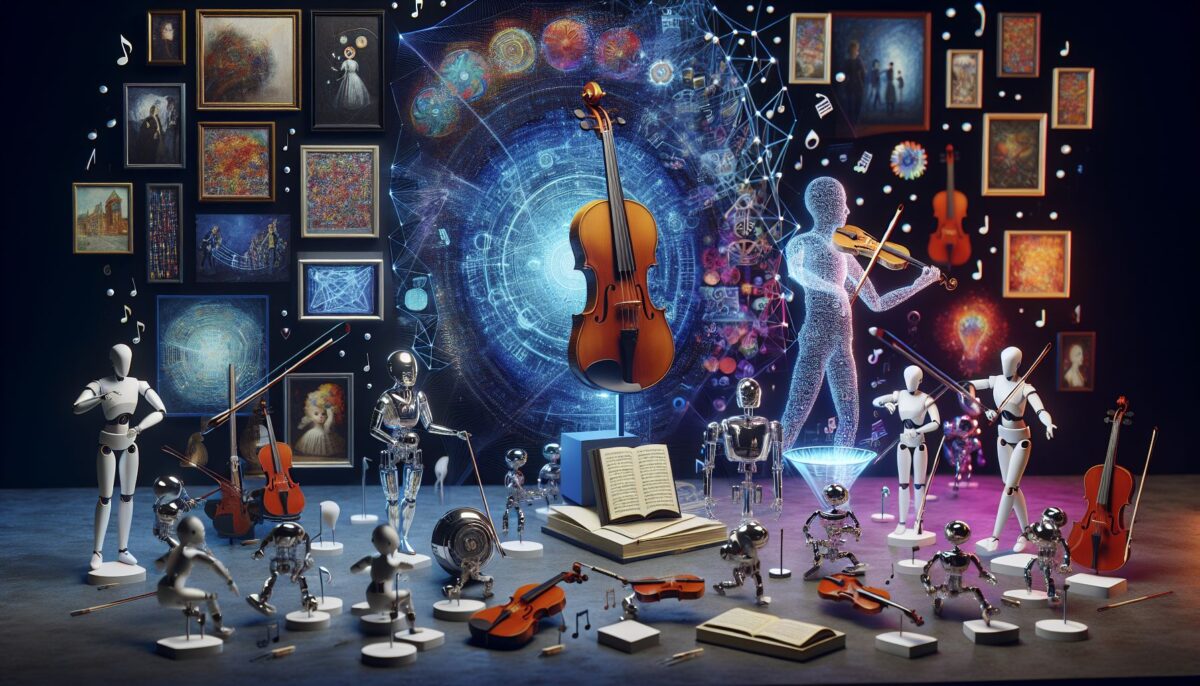
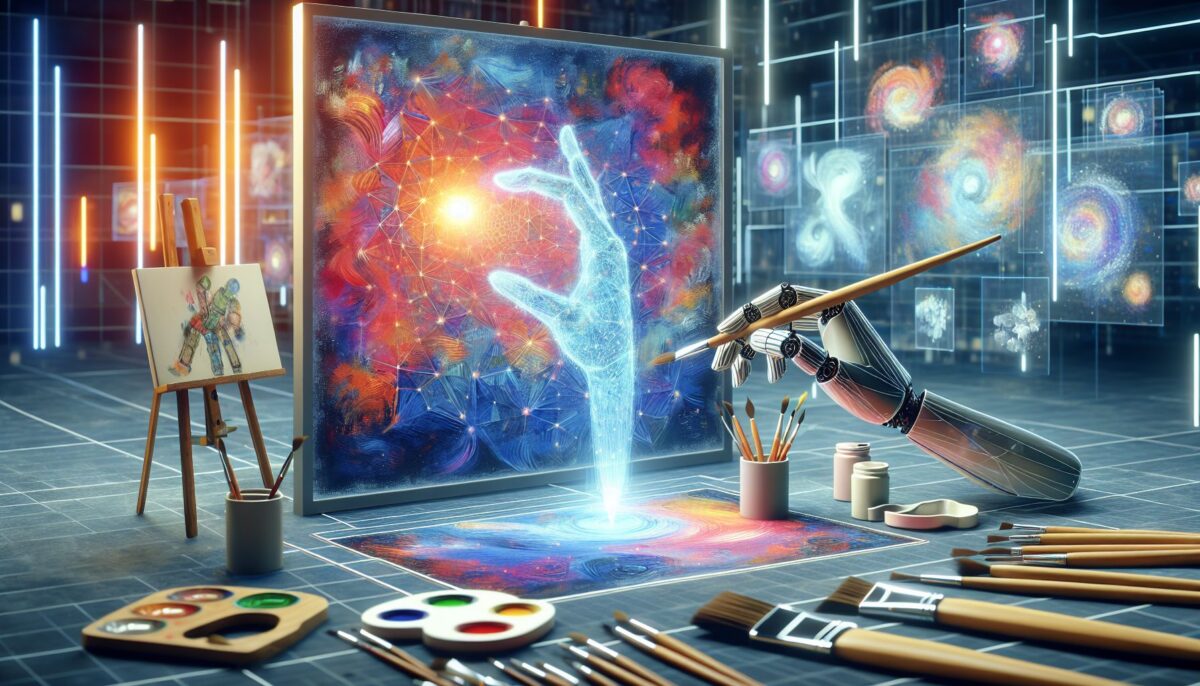
Howdy, fellow tech buffs and digital dreamers! Pull up a chair, grab yourself a mug of steaming coffee, and let’s talk about one of the most disruptive trends of our time: Artificial Intelligence in creative arts. Yep, you heard it right. We’re talking about machines that are painting canvases, writing symphonies, and even penning novels. It’s like having a mechanical muse that never sleeps.

The Rise of Creative Machines

Once upon a time, the idea of a computer creating art was something ripped straight from the pages of a science fiction novel. Fast forward to today, and it’s as real as that cat video your friend just sent you. Ever since OpenAI’s DALL-E started generating images from text descriptions, we’ve been watching an artistic shift happen in real time.

With a little bit of AI magic, anyone can now produce artwork that looks like it was crafted by a seasoned artist. It’s like Bob Ross meets The Matrix. Whether it’s generating Van Gogh-style sunflowers or a futuristic cityscape, AI is turning the art world on its head, and I’m here for it. AI-generated art is raising fascinating questions about creativity and authorship too. Suddenly, “artist” isn’t a title reserved for humans alone.

AI Hits the Right Notes

And it’s not just visual art. Our digital maestros are hard at work in the world of music too. AI composers are crafting symphonies that, while maybe a bit off-key now and then, are pretty impressive. Take Jukedeck as an example. This startup created an AI that composes royalty-free music.

Imagine this: you’ve got a vlog that needs some snazzy background music, but your budget is tighter than skinny jeans. Enter our friendly neighborhood AI, ready to churn out a groovy tune or a haunting melody, tailored just for you. It’s a game-changer for content creators looking to add a unique musical layer to their projects without breaking the bank. Even the legendary musician Brian Eno, himself a proponent of generative music, once hinted at AI’s potential to revolutionize composition.

Writers’ New Toolkit

Writers, listen up! You might want to put down that pen and notepad for a sec, because AI is here to lend a digital hand in the narrative department. I’m talking about tools like Sudowrite and Grammarly’s advanced AI writing assistant. They’re not just spelling and grammar checkers, folks. They’re like having a co-writer who’s fueled by silicon and caffeine.

These platforms can help punch up your prose, brainstorm plot twists, or even generate entire articles based on your prompts. It’s like having Shakespeare as your ghostwriter, only without the ruffled collar. We’re not exactly on the brink of replacing J.K. Rowling or Margaret Atwood, but these AIs can certainly help us mere mortals enhance our writing and kick-start creativity.

The Artists’ Perspective

Now, before you toss your art supplies out the window, breathe easy. Most artists I know aren’t exactly running scared. Instead, they’re embracing AI as a new brush in their digital palette. It’s a tool, another avenue for expression. Sure, an AI can replicate techniques, but the soul of art comes from the human experience. Machines still have a lot to learn about heart and soul, and that’s where we still lead the charge.

By taking the grunt work out of creating, AI can free artists to focus on the more nuanced aspects of their craft. Imagine an illustrator who doesn’t have to worry about drawing backgrounds, thanks to our techno-savvy assistants. They can channel all their energy into crafting characters with real depth instead.

Challenges and Ethical Concerns

Of course, it’s not all rainbows and paintbrushes. The introduction of AI into creative fields has sparked some serious debates. Who owns the rights to AI-generated art? Is it the programmer, the user, or the computer itself? And what about bias in AI algorithms? If it’s trained with existing data, AI could inadvertently perpetuate existing stereotypes or overlook emerging artistic styles altogether.

Then there’s the fear that AI could devalue human creativity. But let’s not sound the alarm just yet. Historically, every technological advancement in art has faced its share of skepticism. The camera was supposed to kill painting. Digital tools were going to ruin “real” art. Yet here we are, with more ways to create than ever before.

Looking Ahead

I find myself wildly optimistic about what’s coming next. AI, when regarded as a creative companion rather than a competitor, opens up new realms of possibility. Picture a future where anyone can create high-quality art or music with just a keyboard and a dream. Who knows, the next Picasso might not only wield a brush but also command a code.

In the words of the great poet David Bowie, who foresaw the merging of man and machine, “Tomorrow belongs to those who can hear it coming.” I don’t know about you, but I can’t wait to see where this creative evolution takes us next. Whether you’re a skeptic or a fan, one thing’s for sure: AI in the arts is a wild chapter still being written.

Until next time, keep creating and embracing the digital wonderland at our fingertips. Cheers to the mesh of human ingenuity and artificial intelligence, and the art that this combination makes possible.

The Future Frontier: AI’s Role in Shaping Creative Arts

Hey tech enthusiasts! If you’ve ever watched an AI create artwork or compose music that actually moves you, you’re not alone. I’ve been thinking a lot about one of the most interesting developments in tech: how Artificial Intelligence is changing creative arts. We’re in this weird new world where machines aren’t just helping us out, they’re actually making art alongside us. Grab a comfy chair and let’s dig into this.

The Renaissance of AI in Arts

AI: The New Da Vinci?

About a decade ago, the idea of a computer creating art seemed like science fiction or, at best, a weird experiment. Fast forward to today, and we’ve got AI models producing paintings that sell for crazy money in prestigious galleries. Remember that AI-generated portrait that sold for $432,500 at Christie’s? That was just the beginning.

AI’s journey into the art world is like watching an eager apprentice. At first, it was all about copying existing styles. But now AI has developed its own approach, thanks to advanced machine learning algorithms. Models like OpenAI’s DALL-E and Google’s DeepDream aren’t just copying artistic styles anymore. They’re creating entirely new ones.

Why Does AI Make Art?

Okay, let’s get philosophical for a sec. AI doesn’t “want” to create art, at least not in the way a human does. It’s all zeros and ones for these systems. They have no hopes, dreams, or existential crises at 3 AM. But they process and analyze enormous datasets, learning patterns that let them generate new, often surprising, pieces of art. The key is still the human touch that programs these models and curates what comes out.

In many ways, AI works like a collaborator. It doesn’t replace the human artist but opens up creative possibilities that stretch human imagination in new directions.

The Impact of AI on Various Art Forms

Music That Strikes a Chord

If you think AI can’t rock a guitar solo, think again! AI is composing music that ranges from symphonic pieces to catchy pop tunes. Applications like Amper Music and AIVA let artists and even non-musicians create complex scores with a few clicks.

When AI gets in a groove, it analyzes patterns in music, learns about structures, and then gives new meaning to “playing it by ear.” This isn’t about replacing your favorite musician. It’s offering a completely new way to approach making music.

The Written Word

Don’t you just love a good story? Turns out, so do algorithms. AI isn’t just trying visual or musical arts. It’s also getting really good with words. OpenAI’s GPT-3 can write essays, stories, and even poetry that actually feels engaging. Publishing companies and indie blogging platforms are increasingly turning to AI for fresh content ideas.

But don’t worry, Shakespeare’s quill isn’t going anywhere. AI writing is a useful tool for brainstorming and refining ideas, working alongside human capacity for nuanced storytelling and emotional depth.

Opportunities & Challenges

Expanding Accessibility

One thing I really like about AI in creative arts is how it opens up who gets to be an artist. With AI making artistic tools more accessible, creating compelling art is no longer just for people who’ve spent years mastering a craft. Now, even someone like me with zero painting skills can take a shot and maybe, just maybe, create something worth hanging in the hallway.

The Ethical Quandaries

Before you get too excited about AI-generated art, there are some tricky ethical questions to work through. Who owns the copyright to an AI-generated masterpiece? The programmer, the AI, or the data it learned from? These are questions we’re all still figuring out, and honestly, the conversation is just getting started.

There’s also this lingering fear among artists of being replaced or undercut by algorithms. Here’s the thing though: human creativity can’t be replicated. AI is a tool, not a replacement.

Looking Ahead: The Bridge to a New Artistic Era

So, what’s next for AI and creative arts? I picture a world where artists and AI work together, where anyone can tap into their inner Picasso or Mozart with help from technology. It’s kind of an artistic dream scenario, and it feels like it’s actually happening.

We shouldn’t be afraid of this tech. Let’s embrace it instead. It offers so many unexplored creative possibilities. In my ideal world (and this is totally just speculation), we’ll see art exhibitions with human-AI collaborations, where you can walk through the gallery and wonder, “Was this made by a person or a machine?”

In the end, AI might not create art with the same emotional depth as humans, but it opens doors to completely new forms of expression. It’s like an artistic renaissance powered by silicon and human imagination.

That’s all for today’s look at AI and creative arts. Keep dreaming, keep creating, and don’t forget to share your thoughts in the comments below. Until next time, stay curious!

Further Musings

If you’re as excited as I am about this topic, stay tuned! I’ll keep documenting this artistic shift with stories, interviews, and maybe even some AI-generated art. Who knows? We might just discover the next big thing in technology and creativity. Cheers!

Riding the Wave of the Fourth Industrial Revolution: Brace Yourself for Change!

Hey fellow tech enthusiasts! It’s a wild time to be alive, don’t you think? Every time I scroll through my feed, there’s something new and shinier than the day before. Today, I’m diving into what people are calling the Fourth Industrial Revolution. It feels like we’re hitting refresh on society itself. That thought gets my inner geek all giddy. Join me as we unpack what this massive innovation wave means for us!

The Revolution Unveiled: What’s It All About?

So, what exactly is the Fourth Industrial Revolution, or Industry 4.0 as the cool kids call it? It’s this massive fusion of technologies. Think of it as the Avengers Assemble but for tech. We’ve got Artificial Intelligence (AI), the Internet of Things (IoT), autonomous machines, and even biotech working together. It’s like every sci-fi movie you’ve ever loved is merging into our reality. Just hopefully minus the robots overtaking us (fingers crossed!).

The Big Players: Tech Marvels Leading the Charge

Breakthroughs are piling up faster than I can brew my morning coffee. AI’s making machines smarter. IoT’s connecting our devices like never before. 3D printing is literally building our dreams layer by layer. And don’t forget about blockchain, which is reshaping trust and transparency, or neurotechnology making waves in personalizing medicine. Elon Musk’s Neuralink is talking about merging human brains with computers. I can’t decide if it’s more Matrix or mutually beneficial.

All Eyes on AI: Supercharging Our World

Artificial Intelligence deserves its own headline. It’s no longer just about nerdy algorithms and nerdier scientists. AI is weaving into the fabric of our lives, popping up in everything from healthcare diagnostics to self-driving cars. I remember when Siri was just a voice on my phone occasionally misunderstanding my commands. Now, AI’s like this omnipresent partner, refining its act behind the scenes to improve everything we do.

The Implications: Life in the Fast Lane

Being tech-savvy comes with its perks, huh? The prospect of Industry 4.0 is unleashing opportunities that were once the stuff of dreams. Or nightmares, if you’re the cautious type. But let’s stay optimistic, shall we?

Jobs on the Move: A Skill Shift

Remember that time your parents told you not to play video games because they’d lead you nowhere? Guess what, folks, esports is a billion-dollar industry now. Similarly, this industry shift means embracing new skills. We’ll witness roles change as automation takes over mundane tasks, but don’t worry. As history shows, new jobs always emerge. Sure, there’ll be a learning curve, but embracing adaptability is key.

Sustainability and Smarter Cities

This revolution has a serious focus on sustainability. Smart cities are all the rage, with interconnected systems ensuring optimal energy use and better transport solutions. We’re talking cities that help reduce pollution and may even outsmart traffic jams (fingers crossed for that!).

The Challenges: Don’t Hit the Panic Button

Let’s not get too carried away without acknowledging the hurdles. As they say, with great power comes great responsibility.

Data Privacy: Friend or Foe?

If your phone knows your pizza cravings better than you do, how much do we let Big Tech peek into our lives? Balancing data utility and privacy is one of the century’s biggest challenges. It’s like walking a tightrope where the stakes are all our personal data.

Bridging the Digital Divide

While urban tech is leaping ahead, rural areas risk being left in the digital dust. Closing the connectivity gap is important so everyone can access these advancements. We must pay attention to the inclusiveness of this revolution.

Looking Ahead: Fasten Your Seatbelts

What can we expect as this revolution hits full throttle? Like a kid awaiting the next Marvel movie, my speculation is tinged with excitement and maybe a spoonful of fear, but mostly anticipation.

Global Collaborations: Power in Unity

The world’s biggest breakthroughs are not solitary endeavors, they’re collective efforts. Communities, businesses, and nations will need to collaborate like the ultimate crossover episode, breaking silos and harnessing shared wisdom.

Evolution, Not Extinction

While Industry 4.0 reshapes how we live, it doesn’t have to be a doomsday scenario. This is evolution, not extinction. If humanity has proven anything, it’s our remarkable resilience and ingenuity.

Exciting Advanced Simulations

And let’s not forget advanced simulations. Think of us all as little Sim characters living in a world where predictions and detailed evaluations help direct policy and societal development. Hopefully, there won’t be any simulated fires accidentally set by overenthusiastic virtual chefs.

Closing Thoughts: Embrace the Future (With a Dash of Caution)

The Fourth Industrial Revolution will redefine life as we know it. It’s easy to get swept away by the excitement, but staying grounded and critically assessing these emerging frontiers is important. Keep your curiosity alive, remain agile, and don’t shy away from a healthy dose of skepticism. After all, staying human in this tech-infused world is what matters most.

Until next time, keep your science fiction books close and your tech-savvy friends closer! Cheers, dear readers. May we navigate this revolution with excitement, preparation, and just the right hint of skepticism.

How a credit builder card can help you build credit

A Chime Credit Builder offers an easy way to build credit. No cost to you. No fees whatsoever. Zero ongoing monthly fees.

chime credit builder

No annual fees either. Just a one-time setup fee and you’re done. You can use any leftover Credit Builder deposits to pay your balance each month. They don’t even run a credit check when you apply.

Getting started is pretty straightforward. You can grab a free secured card from any of these providers and just make your payments on time. The secured card company will send you a verification letter proving your payments are timely and complete. They’ll include any fees your bank might have charged too.

Here’s what’s cool about the Chime Credit Builder – you can actually boost your credit score with it. The apps that work with this program use special technology to collect useful data about your finances. Once they have that info, they’ll send you the details about your credit score, how much you’re saving, your current debt levels, and more.

This beats other credit-building options hands down. Some card companies will just tack fees onto your monthly statement without warning you. This app breaks down every transaction you make with the card. You can track all your spending in one spot, which means you’ll always know where your money’s going.

Look, there are tons of benefits to Chime Credit Builder beyond just building credit faster. These cards can literally save your financial life. If you’ve ever been in money trouble, you know how maddening it gets when you fall behind on payments. Even when you pay on time, sometimes you just forget. Nobody wants credit card drama.

You can dodge financial headaches by using a professional service like Chime Credit Builder. Every situation has its ups and downs, but sometimes you just have to trust a third party with your finances. Chime lets you try their program free for a few months to see if it works for you. Even if it doesn’t pan out right away, you get to test drive the system before committing. These services often help you avoid long-term money problems.

With Chime, fees aren’t a concern. They don’t charge extra for using their service. You won’t get hit with charges for credit reports, account setup, or even making payments. Since there’s no billing to worry about, it’s easier to budget your spending so you don’t get slammed with a bunch of bills all at once. Plus you get detailed breakdowns of all your account activity so you know exactly what steps to take next.

Your spending habits won’t work against you and you won’t get rejected for a secured credit card. Plenty of people still qualify for credit cards even without collateral or steady employment. Most folks who get denied don’t have a legitimate reason for rejection. Sometimes they don’t even understand why it happened. With this program, you can feel confident you’ll qualify for a card regardless of your credit history. Many people have discovered that Chime’s credit work helped them get new cards after getting rejected multiple times before.

If you’re stressed about your score, remember that your debt-to-credit ratio makes up a big chunk of it. A high ratio can mean higher fees and lower credit limits when you apply for cards. But a low ratio shows you have a solid payment history and good credit-building habits, which makes qualifying for new accounts or refinancing existing ones much easier. This is a safe approach to building credit. You can use it whether you want to apply for new credit or just want to make sure you don’t miss payments on current accounts.

Even with a decent credit score, you might want to upgrade to a secured account balance. This can bump up your credit score and improve your overall rating. There are plenty of options for securing a card. Do your homework first. Once you get approved, you can apply right away for a secured card and move your balance from an unsecured to secured account. Chime’s credit building cards help you establish a strong credit history so you can apply for more cards once you’ve built that foundation.

Best Auto Insurance Companies – Finding the Right Company Can Lower Your Rates

You want to find the best auto insurance companies for your car insurance coverage needs. With hundreds of options out there, you’ll want to know which companies can give you the best prices on car insurance. Every state has a minimum amount of coverage that you must carry, so you need to find the best auto insurance companies to meet that minimum. To get the best prices, you need to know how the system works.

best auto insurance companies

Every state has a minimum amount of coverage that you must carry as a driver. The best car insurance companies will offer discounts for different things. For example, if you have a clean driving record, or if you are younger than 21 years old, you can usually get discounts on your premiums. Many other factors can determine your premiums. If you want to know how to lower your premiums, you need to find out what the best auto insurance companies offer for discounts.

To find out how the best auto insurance companies treat their customers, you should look at how they operate. One way to do this is to read consumer reports about them. Consumer reports can tell you how satisfied their customers are with the quality of service and how easy the claims process is. They can also show you how satisfied other people are with the company’s performance. Consumer reports can provide you with information on how satisfied their neighbors and coworkers are with the company’s performance.

After you know how they treat their customers and the way they treat those people who don’t buy insurance from them, you can start to learn about how the best auto insurance companies give discounts to different classes of drivers. One way of finding out if a company gives special discounts to certain drivers is to check out their customer satisfaction surveys. Often, an insurance company will conduct a survey and question a large number of people about their satisfaction with their insurance policies. These surveys can help an insurer learn which types of drivers it tends to give special discounts to.

There are different classes of drivers that receive different discounts from insurance companies. For example, if you have a good driving record, you will tend to get better rates from insurers than someone who has an accident history or who has a poor driving record. Many factors determine how much car insurance a person should pay. Factors such as your age, sex, where you live, your driving experience, the type and size of car you drive, and the level of coverage you want to purchase can all affect how much you pay for insurance.

Another way to find out how much insurers discount drivers for good grades is by asking how much of a driver’s license they need to obtain insurance. Some states require drivers to maintain a minimum grade B license to purchase coverage, so a driver with only a grade C or D license will be expected to pay higher rates. This is because drivers with lower grades have a lower chance of being involved in a traffic accident. Insurance companies don’t make a distinction between drivers with good grades versus drivers with poor grades. If a driver doesn’t have to have a license to get insurance, it is wise to avoid purchasing coverage unless it is required by law.

The last way to save money on your auto policy is to purchase no-fault auto insurance. This is the least expensive type of coverage, but it does not protect against damage caused by vandalism, theft, or collision. Instead, it protects against losses that you cause to another person or vehicle. This means, for example, that if you hit someone with your vehicle, no-fault coverage will not pay for any medical bills or damages. This may be fine for you if you only hit someone once, but if you hit someone with your car at least twice, you could be facing substantial expenses because of the injuries they sustained.

Regardless of which coverage you decide on, there are ways to make savings. If you purchase your coverage online, you can often take advantage of a multiple quote feature, which allows you to compare rates from competing companies. You can also make use of a liability only policy, which limits the amount of money that you will have to pay for personal injury claims, without limiting the number of times that you may file a claim. By keeping these four areas in mind when comparing insurance quotes, you can expect to end up with the best coverage at the best rates.

How To Play Solitaire For Cash – How To Start Playing Online For Free

If you want to know how to play solitaire for cash, you’ll need a computer with an internet connection. That’s it. There are tons of websites out there designed specifically for people who want to turn their card game skills into actual money.

play solitaire for cash

For beginners, this can be a smart way to pick up basic computer skills while you’re at it. Plus, you can earn some extra cash by sharing your solitaire expertise with others. You can sell solitaire games to other players or create your own product.

Before you start making money, check with the Better Business Bureau about any claims you see in online marketing or sales. As long as they meet legal requirements, these claims are allowed. Also, ask your friends and family about which games they enjoy most. Figure out what types of games actually appeal to people.

Once you’ve found some solitaire games you like, you’re ready to start learning how to play solitaire for cash. Start by learning all the basic rules, the most common strategies and techniques, and how to handle money properly.

Playing online is honestly one of the best ways to learn this game. You’ll learn how to play and get familiar with all the different games available. The more you play, the more comfortable you’ll get with the rules and strategies. This helps you pick games that are easier to play instead of ones that take forever to master.

After you’ve got the basic rules and techniques down, you can move on to learning some advanced strategies. When you first start learning about playing this game for cash, you need to know the basics so you make smart choices when picking up extra tips or hints. With that foundation, you can keep learning other strategies and techniques to make playing this game for cash more fun.

There are many different kinds of games to choose from, and you might find you like several of them. Try to pick one or two so you always have something to play.

Once you know the basic rules, you can explore different websites that offer solitaire for cash and see what each one has to offer. You’ll quickly learn how to play this game for cash without much trouble. Soon you’ll have all the knowledge you need to master this addictive activity and turn it into your business.

The most important things to remember when playing this game for cash are paying attention to your budget and never spending more money than you can afford to lose. You want to play the game as often as possible to get the most out of your time. Set spending limits and stick to them.

Never spend more money than you can afford to lose. When you’re looking for solitaire for cash, you can find tons of games that cost less than $20 per session. As a beginner, you can play a simple game or use an easy strategy that you can master quickly.

The good news about this game is that there are plenty of free games you can try out. These games give you a great way to get into this activity without risking money. You’ll also find plenty of different strategies and techniques you can use to maximize your winnings.

Many of the free solitaire games only give you limited time to practice and try out their games before you decide which ones work for you. This is just another way to get used to playing this game. You can learn the basics so you’ll be better able to handle the game and increase your chances of winning.

The Unusual Secret of Dating Sites for Vegans

Vegetarian Dating is the main internet vegan dating site with thousands of members from the vegetarian community. It’s one of the most popular vegetarian and vegan dating apps worldwide. If you’re struggling to meet potential dates in person, online dating can really open up your options. Registration is completely free, and within minutes you’ll have access to a database with thousands of people from around the globe. The platform works best for finding more serious, long-term relationships. If you care about animal rights, environmental issues, ethical living, or all of the above, and want to meet people who think the same way, this could be perfect for you!

The website costs nothing to join. You can do a quick search before signing up to see how many people in your area have what you’re looking for in a partner. There are quite a few websites out there helping vegan sparks fly. A good dating website works like a search tool, helping you find people you’ll actually like – people who are similar to you and share your interests – while keeping scammers away. The best veggie dating sites offer multiple ways to help you find plenty of potential partners. These platforms make it easy for users to connect, so you can find the right people and start something meaningful. When you meet other vegans through dating sites, you immediately have at least one major thing in common, and that’s honestly the best way to start finding the right person for you.

Thankfully, the internet has plenty of vegan dating sites where like-minded plant eaters can find each other. Online dating takes real effort, though. But it’s quick and simple to join, and it’s FREE!

dating sites for vegetarians

New Questions About Dating Sites for Vegetarians

Profit isn’t what motivates me here. When you sign up for the service, you’ll need to define your ethical interests and mention your preferred charity. Keep reading for some tips on what to watch out for, and what you can expect if you’re new to online dating. Dating a vegetarian gives you a chance to build your relationship on shared values. It’s not just for serious relationships either – whether you want fun vegetarian experiences with someone or you’re actually looking for someone to settle down with, there are hundreds of single vegans on this dating site.

As a vegetarian, you want to spend time with someone who gets you. Sure, you’re still independent people, but when you share so much of your life with someone, it makes sense that you should be emotionally and ethically on the same page. People from all over the world can join this dating site.

You’re likely to find better quality matches there. Lifestyle choices are just one piece of the puzzle. You can use dating sites to find a boyfriend or check out social media platforms for registration options. If you have a pretty specific idea about what you want to share with a romantic partner, niche sites like these can be incredibly helpful. Problems will come up, that’s just reality. The main advantage is you don’t have to worry about where or what to eat when it’s time for a date since your vegan partner will already have plenty of great ideas.

Vegan dating with vegetarian singles online really isn’t different from other types of online dating. Vegan dating doesn’t have to be tough when there’s so much information online helping single people connect. Many vegans find that once they switch to a vegan lifestyle, they want to be with someone who cares about the same things they do. Veggie Date is one of the oldest veggie dating sites you can find online.

Being vegetarian is a lifestyle that’s a deliberate choice for many reasons. The decision to be vegetarian deserves to be respected and appreciated by someone who has similar views. At Vegetarian Dating online, you can meet other single vegetarians looking for love. Here are some of the best vegan dating apps that might introduce you to your future significant other – and maybe you’ll make some friends along the way!